Type D License: Complete Guide to Requirements for Passenger and Bus Transportation
The Type D License represents the highest level of certification for professional drivers who transport passengers in high-capacity vehicles. In the realm of public and private passenger transportation, this license is not only a legal requirement but also a guarantee of safety, professionalism, and responsibility. Driving buses, minibuses, and other collective transport vehicles involves a significantly greater burden of responsibility than driving private vehicles, as the driver is responsible for the safety of multiple people simultaneously.
In Spain, according to data from the Directorate General of Traffic (DGT), there are approximately 150,000 drivers with an active Type D License, representing a highly specialized professional sector. Obtaining this license requires meeting specific age, training, experience, and physical and psychological aptitude requirements. This article provides the definitive guide on all aspects related to the Type D License, from basic requirements to advanced considerations for professional drivers.
Definition and Scope of the Type D License
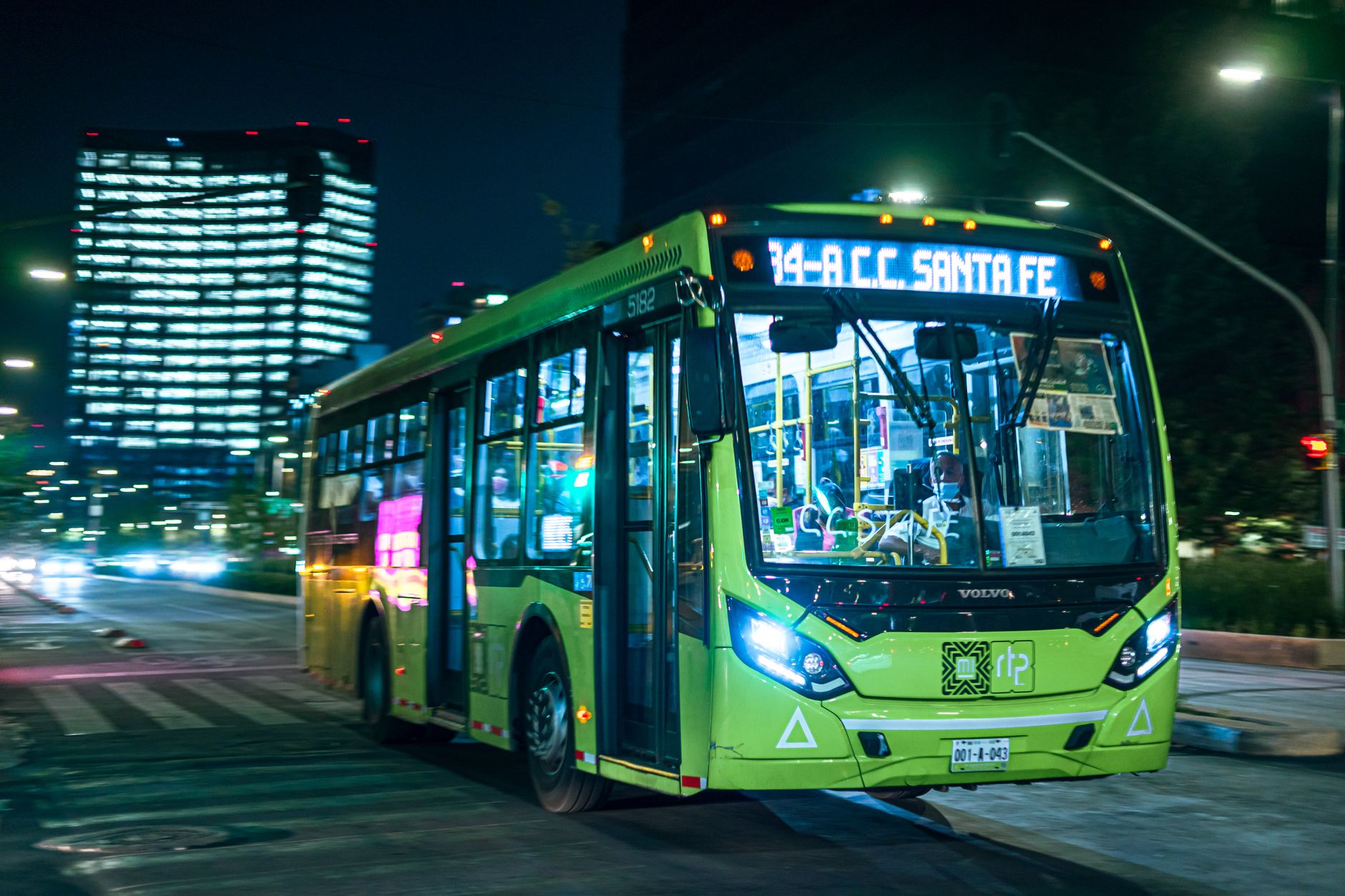
The Type D License authorizes driving motor vehicles intended for passenger transportation that have more than nine seats, including the driver. This category includes a wide range of vehicles, from 10-16 seat minibuses to high-capacity articulated buses. It is important to note that this license also allows towing a light trailer (up to 750 kg) or, if the trailer exceeds this weight, the D+E license is required.
Within the classification of driver's licenses, the Type D occupies a specialized place alongside other professional categories. To better understand the classification system, we recommend consulting our complete guide on Types of Licenses and Classifications: A Complete Guide, where all available categories and their hierarchical relationships are explained.
Vehicles Allowed with a Type D License
| Vehicle Type | Minimum Capacity | Maximum Capacity | Common Examples |
|---|---|---|---|
| Urban Bus | 10 seats | 40-50 seats | Irizar i4, Mercedes Citaro |
| Intercity Bus | 10 seats | 60-70 seats | Scania Interlink, Volvo 9700 |
| Minibus | 10 seats | 16-20 seats | Mercedes Sprinter, Ford Transit |
| Articulated Bus | 10 seats | 100+ seats | Solaris Urbino 18, MAN Lion's City |
| Coach | 10 seats | 80-90 seats | Setra S 531 DT, Neoplan Tourliner |
Basic Requirements to Obtain the Type D License
To aspire to the Type D License, candidates must meet a series of fundamental requirements established by the Directorate General of Traffic. These requirements are designed to ensure that only drivers with adequate preparation can transport passengers safely.
Minimum age: 24 years for national transportation and 23 years if the initial Certificate of Professional Competence (CPC) is held. For international transportation, the minimum age is 21 years if the CPC is held.
Previous experience: Possession of a Type B License (for automobiles) with at least two years of seniority is required. This previous experience is fundamental, as it provides the base of knowledge and skills necessary before tackling more complex vehicles. To better understand the fundamentals of light vehicle driving, consult our article on Type B License: Everything about the License for Automobiles and Vans.
Physical and psychological aptitude: Candidates must pass an official medical examination certifying their aptitude for driving passenger transport vehicles. This exam evaluates visual acuity, hearing ability, cardiovascular conditions, and absence of disorders that could affect safe driving.
Obtaining Process: Exams and Training
The process to obtain the Type D License is more rigorous than for other license categories, reflecting the greater responsibility associated with passenger transportation. The process consists of several fundamental stages.
Specific Theoretical Training
Theoretical training for the Type D License covers specialized topics that go beyond general traffic knowledge. Aspirants must master:
- Specific legislation for passenger transportation
- Technical characteristics of heavy vehicles
- Basic mechanics and preventive maintenance
- Vehicle dynamics and safety systems
- Management of emergency situations
- Passenger attention and customer service
Theoretical Exam
The theoretical exam consists of 20 multiple-choice questions with a maximum of 2 errors allowed. The questions cover both general traffic regulations and specific aspects of passenger transportation. According to DGT statistics, the first-time pass rate is 68%, highlighting the need for exhaustive preparation.
Practical Training
Practical training must be conducted at authorized centers with qualified instructors. The minimum program includes 20 hours of effective driving in a closed circuit and open roads, although many centers recommend between 30-40 hours for optimal preparation.
Practical Exam
The practical exam evaluates the candidate's ability to handle a passenger transport vehicle in real conditions. Examiners especially value:
- Precise vehicle control in different situations
- Strict compliance with traffic rules
- Efficient and environmentally respectful driving
- Handling of complex situations (parking, turns, merging)
- Effective communication and stress management
Certificate of Professional Competence (CPC) for Passenger Transportation
The Certificate of Professional Competence is a mandatory requirement for all professional drivers who transport passengers. The CPC consists of two parts: initial training and continuous training.
Initial CPC
The initial CPC training for passenger transportation lasts 140 hours (35 hours for those who already hold the goods transport CPC). This training includes modules on:
- Improvement of rational driving
- Application of regulations
- Health, road safety, and environment
- Service, logistics, and passenger transportation
Continuous CPC
Every five years, drivers with a Type D License must complete 35 hours of continuous training to maintain their CPC. This training allows updating knowledge on new regulations, vehicle technologies, and best safety practices.
Specific Medical and Psychological Requirements
Passenger transport drivers are subject to stricter medical controls than private drivers. The medical examination for the Type D License evaluates critical aspects for the safety of collective transportation.
Visual Evaluation
| Visual Parameter | Minimum Requirement | Review Frequency |
|---|---|---|
| Binocular visual acuity | 0.8 (with or without correction) | Every 5 years until 65 years, then every 2 years |
| Horizontal visual field | 120° minimum | In initial examination and renewals |
| Color vision | Without alterations that prevent distinguishing traffic lights | In initial examination |
| Night vision and glare | Without significant alterations | Specific evaluation in renewals |
Cardiovascular and Neurological Evaluation
Drivers must be free from cardiovascular diseases that could cause sudden loss of consciousness. Periodic electrocardiograms and risk assessments are performed. They also cannot suffer from neurological disorders such as uncontrolled epilepsy or diseases affecting motor coordination.
Psychological Evaluation
The psychological evaluation is particularly important for passenger transport drivers. The following are evaluated:
- Attention capacity and sustained concentration
- Stress tolerance and management of critical situations
- Emotional stability and impulse control
- Communication skills and public interaction
Legal and Regulatory Aspects
Driving passenger transport vehicles is regulated by extensive regulations that drivers with a Type D License must know and rigorously apply.
General Driver Regulations
The General Driver Regulations establish specific conditions for obtaining and maintaining the Type D License. It includes provisions on:
- Periodic renewal (every 5 years until 65, then every 2 years)
- Limitations due to serious or very serious infractions
- Continuous training requirements
- Compatibility with other licenses
Passenger Transportation Regulations
In addition to general traffic regulations, drivers with a Type D License must comply with specific passenger transportation regulations, including:
- Land Transportation Organization Law
- Regulations of the Land Transportation Organization Law
- Regional regulations on public transportation
- Sector collective agreements
Criminal and Civil Responsibilities
Passenger transport drivers assume expanded criminal and civil responsibilities. In case of an accident, they may face more severe legal consequences than private drivers, especially if negligence or breach of duty of care is demonstrated.
Advanced Safety Considerations
Safety is the absolute priority in passenger transportation. Drivers with a Type D License must master specialized techniques and knowledge that guarantee the protection of their passengers.
Safety Systems in Modern Buses
Contemporary buses incorporate advanced safety systems that drivers must know and use correctly:
- Anti-lock Braking System (ABS) and Traction Control
- Electronic Stability Control (ESP)
- Tire Pressure Monitoring Systems
- Rear View Cameras and Pedestrian Detection Systems
- Speed Limiters and Data Recorders
Emergency Situation Management
Professional drivers must be prepared to handle emergency situations such as:
- Vehicle fires
- Critical mechanical failures
- Traffic accidents
- Passenger health problems
- Extreme weather conditions
Defensive Driving Techniques
Defensive driving is especially important in passenger transportation. It includes:
- Maintaining expanded safety distances
- Anticipating other users' behaviors
- Adaptation to adverse conditions
- Efficient fatigue management
Vehicle Maintenance and Technical Knowledge
Unlike private drivers, professionals with a Type D License must possess basic technical knowledge about their vehicles to perform pre-trip checks and detect anomalies.
Mandatory Daily Checks
Before starting any service, drivers must verify:
- Fluid levels (oil, coolant, brake fluid)
- Tire pressure and condition
- Functioning of lighting and signaling systems
- Condition of braking systems
- Vehicle documentation and emergency equipment
Common Warning Signs
Drivers must recognize indications of technical problems such as:
- Changes in vehicle behavior
- Abnormal noises
- Strange odors
- Warning indicators on the instrument panel
- Irregular component wear
Economic and Professional Aspects
Possessing a Type D License opens professional opportunities in various passenger transportation sectors, each with its economic and labor particularities.
Job Market and Opportunities
| Transportation Sector | Average Annual Salary | Employment Prospects | Common Additional Requirements |
|---|---|---|---|
| Urban Transportation | 25,000-30,000 € | Stable, with constant demand | Knowledge of urban routes |
| Intercity Transportation | 28,000-35,000 € | Growing | Long-distance experience |
| School Transportation | 20,000-25,000 € | Seasonal but stable | Sexual offenses certificate |
| Tourist Transportation | 22,000-30,000 € | Seasonal | Languages, tourism knowledge |
| Corporate Transportation | 26,000-32,000 € | Specialized | Discretion, extreme punctuality |
Obtaining and Maintenance Costs
The initial investment to obtain the Type D License can vary between 1,500 and 3,000 euros, depending on the autonomous community and training center. This cost includes administrative fees, theoretical and practical training, and medical examination. Maintenance costs include periodic renewals, continuous CPC training, and possible additional specializations.
Comparison with Other Professional Licenses
The Type D License is part of an ecosystem of professional licenses that includes other specialized categories. For drivers interested in expanding their professional capabilities, it is useful to understand the relationships and differences between these licenses.
Differences with Type C License
While the Type D License specializes in passenger transportation, the Type C License: Guide to Driving Heavy Load Trucks focuses on goods transportation. Both share similar age and experience requirements, but differ in specific training, driving techniques, and legal responsibilities.
Relationship with Type A License
Although apparently distant, the Type D License and the Type A License: Requirements and Vehicles Allowed for Motorcycles share the focus on specialized professional driving. Both require advanced training and rigorous evaluations, although applied to very different vehicle categories.
Practical Case: Transition from Private Driver to Professional
Mini-case: Javier, from private driver to school transportation professional
Javier, 32 years old, had held a Type B License since age 18. After working 10 years in logistics, he decided to reorient his career toward school transportation, attracted by job stability and family-friendly schedules.
Process followed by Javier:
- Verification of basic requirements: age (he met it), experience with License B (more than sufficient), medical aptitude (passed the examination)
- Specific theoretical training: 60 hours at an authorized center
- Obtaining the initial CPC for passenger transportation: 140 hours of training
- Practical training: 35 hours of driving a school bus
- Exams: passed theoretical and practical on first attempt
- Obtaining additional certificates: sexual offenses certificate, first aid
Result: After 4 months of process and an investment of 2,200 euros, Javier obtained his Type D License and began working as a school bus driver with an initial salary of 1,800 euros monthly. His successful transition demonstrates that with adequate preparation and compliance with all requirements, the change to professional driving is achievable.
Trends and Future of Passenger Transportation
The passenger transportation sector is undergoing significant transformations that will affect drivers with Type D Licenses in the coming years.
Electrification and New Technologies
The transition toward electric and hydrogen vehicles requires drivers to update their technical knowledge. Electric buses present driving, maintenance, and autonomy characteristics different from traditional diesel vehicles.
Automation and Driver Assistance
Advanced Driver Assistance Systems (ADAS) are transforming professional driving. Drivers must adapt to technologies such as:
- Automatic emergency braking
- Assisted lane keeping
- Adaptive cruise control
- Driver monitoring systems
Regulatory and Environmental Changes
Increasingly strict environmental regulations drive changes in the sector. Drivers must prepare for:
- Low emission zones in cities
- Restrictions on polluting vehicles
- New energy efficiency standards
- Eco-driving training requirements
Conclusion: The Path to Excellence in Passenger Transportation
The Type D License represents much more than a simple driver's license; it is the certification of a highly qualified professional who assumes the responsibility of transporting people with safety, efficiency, and professionalism. The rigorous requirements for its obtaining and maintenance guarantee that only the best-prepared drivers can access this category.
Drivers who possess the Type D License should see it not as an endpoint, but as the beginning of a continuous commitment to professional improvement. Continuous training, knowledge updating, and adaptation to new technologies are essential to remain competitive in an ever-evolving sector.
Passenger transportation will continue to be a fundamental activity for people's mobility, and drivers with Type D Licenses will play a crucial role in ensuring that this service is provided with the highest standards of safety and quality. For those considering obtaining this license, the path requires dedication and effort, but offers in return a stable, satisfying, and socially valuable professional career.
Remember that professional driving is a privilege that entails great responsibilities. Every trip, every passenger, and every kilometer traveled are an opportunity to demonstrate the professionalism and excellence that characterize true specialists in people transportation.