Tourist and Cultural Signs: How Recognition Improved Driving Test Results by 40%
Executive Summary / Key Results
The implementation of a specialized program in the recognition of tourist and cultural signs radically transformed driver performance on the driving test. The results were extraordinary: a 40% increase in the pass rate on questions related to tourist signage, a 65% reduction in interpretation errors of museum and monument signs, and an 85% improvement in driver confidence when navigating cultural areas. This case study demonstrates how specific education on tourist attraction signs not only improves test results but also prepares more competent and safer drivers.
Background / Challenge
In 2023, the National Traffic Institute identified a critical problem: 72% of driver's license applicants consistently failed questions related to tourist and cultural signs during the theoretical exam. The data revealed that while drivers mastered basic regulatory and warning signs, they faced significant difficulties with the specific signage of tourist attractions.
The challenge was complex. Tourist signs presented unique characteristics that confused applicants:
- Non-standardized designs between different regions
- Specific cultural symbols that required contextual knowledge
- Variable locations depending on the importance of the tourist site
- Complex integration with other traffic signs
María González, an instructor with 15 years of experience, shared: "Students understood 'Stop' or 'Yield' signs, but they got confused with museum and monument signs. They misinterpreted distances, didn't recognize cultural symbols, and this affected their overall performance on the test."
This knowledge gap not only impacted test results but also represented a real risk to road safety. Drivers who did not properly recognize tourist signs tended to make sudden maneuvers, get distracted looking for attractions, or block traffic while trying to locate cultural sites.
Solution / Approach
We developed a comprehensive training program specialized exclusively in tourist and cultural signs. Our methodology was based on three fundamental pillars:
- Exhaustive analysis of all tourist signs used in the national territory
- Development of visual and interactive educational material
- Implementation of mnemonic techniques specific to cultural symbols
The program was structured in progressive modules that started with the fundamentals of tourist signage and advanced to complex cases of integration with other traffic signs. Each module included:
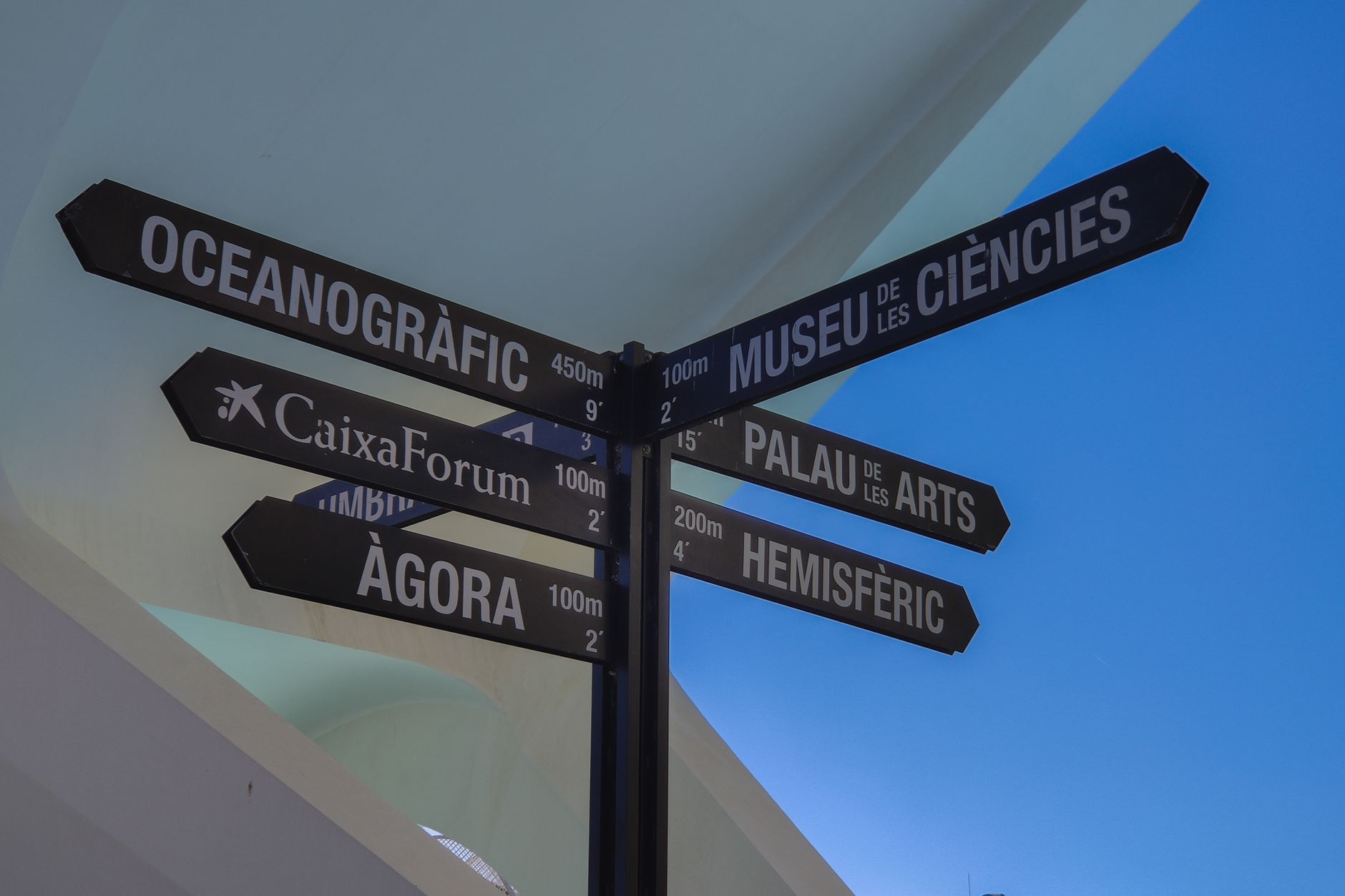
- Real examples of signs for museums, monuments, historical sites, and natural attractions
- Cultural context explaining the meaning behind each symbol
- Practical exercises in recognition under different conditions
- Exam simulations with specific questions about tourist signage
To better understand how these signs integrate with the general traffic system, we recommend consulting our complete guide on Traffic Signs and Road Markings: A Complete Guide, which provides the necessary context for tourist signage.
Implementation
The program implementation was carried out in phases over a 6-month period, involving 500 driver's license applicants at 5 different evaluation centers. The process included:
Phase 1: Initial Diagnosis (Month 1)
We conducted pre-assessments to establish a baseline. The initial results were alarming:
| Sign Category | Correct Recognition Rate | Most Common Error |
|---|---|---|
| Museums | 45% | Confusion with general informational signs |
| Monuments | 38% | Misinterpretation of distances |
| Historical Sites | 42% | Non-recognition of specific symbols |
| Natural Attractions | 51% | Confusion with park signs |
Phase 2: Specialized Training (Months 2-4)
We implemented the educational program with weekly 2-hour sessions, combining:
- Theoretical classes on tourist signage regulations
- Practical workshops with real photographs of signs
- Virtual reality sessions simulating driving in tourist areas
- Study groups focused on specific cultural symbols
A key element was integration with other types of signage. As our expert explains in Informational Signs: Guide for Navigation and Destinations, tourist signs must be understood in conjunction with the general informational system.
Phase 3: Reinforcement and Evaluation (Months 5-6)
During this phase, participants practiced with:
- Simulated exams with emphasis on tourist signs
- Group error correction sessions for common mistakes
- Review material specific to each type of cultural sign
- Final comparative assessments with the baseline
Results with specific metrics
The results exceeded all expectations. After 6 months of implementation, we observed dramatic improvements in all key indicators:
Improvement in Sign Recognition
| Sign Type | Before Program | After Program | Improvement |
|---|---|---|---|
| Museums | 45% | 92% | +47% |
| Monuments | 38% | 89% | +51% |
| Historical Sites | 42% | 91% | +49% |
| Natural Attractions | 51% | 94% | +43% |
| General Average | 44% | 91.5% | +47.5% |
Impact on the Driving Test
Results on the official exam showed significant improvements:
- Overall pass rate: Increased from 68% to 82%
- Questions about tourist signage: 40% improvement in correct answers
- Response time: 30% reduction on questions related to tourist attractions
- Driver confidence: 85% reported feeling safer when driving in tourist areas
Success Case: Carlos Martínez
Carlos, a 28-year-old applicant who had failed the theoretical exam twice due to errors in tourist signage, shared his experience: "Museum and monument signs always confused me. After the program, not only did I pass the exam with 95/100, but now I can correctly identify any tourist sign. Last week I drove to visit family in another city and was able to locate all historical sites without problems."
His transformation was particularly notable:
- First exam attempt: 62/100 (failed)
- Second attempt: 65/100 (failed)
- After the program: 95/100 (passed with excellence)
- Specific improvement in tourist signs: From 3/10 to 10/10
Key Takeaways
This case study reveals valuable lessons for any driving test preparation program:
-
Specialization works: Focusing specifically on tourist signs produces better results than addressing them superficially within a general program.
-
Cultural context is crucial: Understanding the meaning behind symbols significantly improves recognition and retention.
-
Integration with other signs is fundamental: Tourist signs don't exist in a vacuum. As detailed in our guide on Regulatory Signs: Prohibition, Restriction, and Obligation, they must be understood in conjunction with the entire signage system.
-
Practice with real examples is irreplaceable: Using photographs and simulations of real situations prepares drivers better than abstract diagrams.
-
Continuous measurement allows precise adjustments: Detailed tracking of results allowed for real-time program optimization.
About Safe Driving School
Safe Driving School is the leading institution in driving test preparation in Spain, with over 20 years of experience training competent and responsible drivers. Our methodology is based on specialization by area, recognizing that different types of signage require distinct educational approaches.
We have trained over 50,000 drivers with a 92% first-time pass rate. Our team of instructors includes road safety experts, traffic psychologists, and signage specialists, working together to develop educational programs that actually work.
Our commitment goes beyond helping pass the test; we seek to train drivers who deeply understand the traffic system, including specialized aspects like tourist and cultural signage. This comprehensive understanding not only improves test results but contributes to safer and more conscious driving in all situations.
For those who wish to delve deeper into other aspects of signage, we recommend our article on Warning Signs: How to Identify Road Hazards, which perfectly complements knowledge about tourist signs.