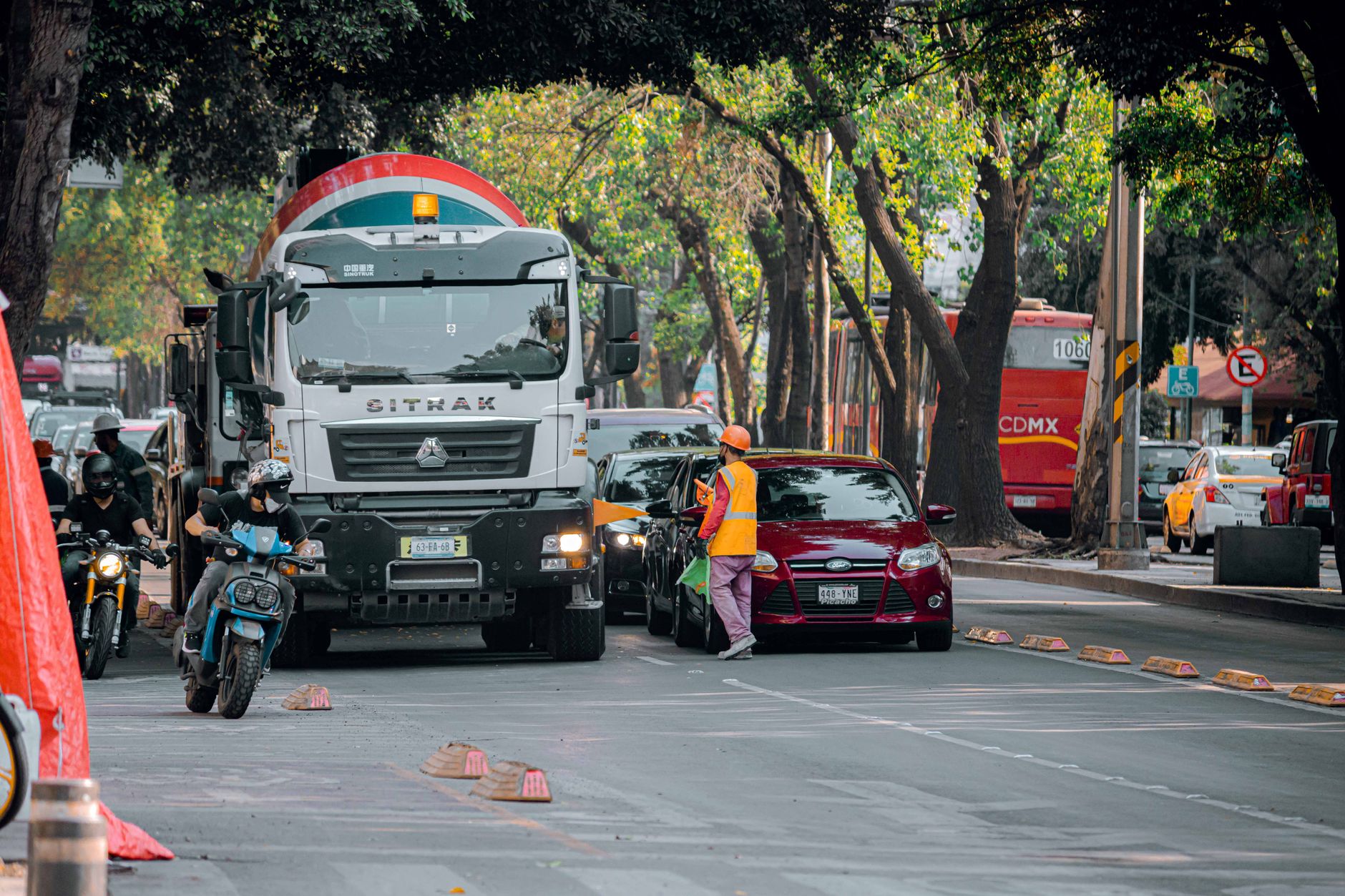
The I.M.O.V. Method: How the Vehicle Immobilization System Works and How to Avoid Fines
When a vehicle is immobilized by authorities, the driver faces a process that can be confusing, costly, and stressful. Understanding how the immobilization system and associated fines work is essential for any driver. In this article, we present the I.M.O.V. Method, a five-step framework that will help you understand, prevent, and handle your vehicle's immobilization efficiently. This method is based on analysis of current regulations and common practices of traffic authorities.
Introduction to the Framework
The I.M.O.V. Method is an acronym summarizing the five key phases of the immobilization process: Identification, Motive, Options, Verification, and Return to circulation. This framework not only explains how the system works but also provides a practical guide to avoid penalties and resolve immobilization situations with minimal impact.
Why This Framework Works
Vehicle immobilization is not an isolated event but a process with well-defined stages. By breaking it down into manageable steps, the I.M.O.V. Method allows drivers to:
- Anticipate the most common causes of immobilization (such as Common Traffic Fines in 2025).
- Know their rights and obligations at each stage.
- Minimize the time and cost of immobilization.
- Avoid mistakes that could worsen the penalty.
The Framework Steps
1. Identification of the vehicle and authority
At the time of immobilization, the authority (Local Police, Civil Guard, etc.) must clearly identify the vehicle, driver, and reason. Ensure that a report or document is issued specifying:
- License plate, make, and model of the vehicle.
- Driver's information (if present).
- Officer and unit involved.
- Time and location.
Tip: Always request a copy of the report and verify that the data is correct. If you disagree, note your observations on the same document.
2. Motive for immobilization
Causes can vary widely, but the most frequent include:
- Documentation: Lack of mandatory insurance, expired MOT, or not having a driver's license.
- Technical: Vehicle in dangerous condition (bald tires, broken lights, faulty brakes).
- Administrative: Unpaid fines, excessive points lost, or court order.
- Behavior: Driving under the influence of alcohol/drugs, serious speeding, or involvement in illegal races.
Table of common causes and immediate consequences:
| Cause | Immediate immobilization | Time to rectify |
|---|---|---|
| No insurance | Yes | Until insurance is presented |
| Expired MOT | Yes | 10 business days |
| Unpaid fine (seizure) | Yes | Depends on debt |
| Excessive points | Yes | Not applicable (license revoked) |
| Drunk driving | Yes | Until effects wear off |
3. Available options
Once notified of the reason, the driver has several options:
- Immediate rectification: If the cause is a minor technical defect (e.g., a burnt-out bulb), it can be repaired on the spot and, if authorized by the officer, the vehicle may continue.
- Vehicle impoundment: If it cannot be rectified, the vehicle will be taken to a municipal impound lot. Towing and storage costs are the driver's responsibility.
- Appeal: If you believe the immobilization is unjust, you can file an administrative appeal. However, this does not stop the immobilization.
Important: For very serious infractions, such as systematically ignoring Priority at Intersections, immobilization may be automatic, and the driver must attend a fast-track trial.
4. Verification of regularization
To retrieve the vehicle, you must prove that the cause has been resolved. Depending on the reason:
- Documentation: Present valid insurance or MOT.
- Technical: Certificate from a workshop proving the repair.
- Administrative: Proof of payment or installment agreement for the fine.
Procedure: Schedule an appointment at the impound lot or relevant authority (DGT, City Council). Bring all original documents and copies. The lot may charge storage fees.
5. Return to circulation
Once regularization is verified, a permit is issued to retrieve the vehicle. The officer or lot staff will provide a document authorizing circulation to your home or workshop if further repairs are needed. Do not drive without this permit, as you could be penalized again.
How to Apply It
Apply the I.M.O.V. Method in three practical scenarios:
- Prevention: Before driving, check that your vehicle meets legal requirements (insurance, MOT, lights). Familiarize yourself with regulations such as Use of Car Lights.
- During immobilization: Stay calm and follow steps 1 to 3. Never argue with the officer; record everything.
- Afterward: If the vehicle was impounded, act quickly to minimize costs. Keep all documents.
Examples/Case Studies
Case 1: Immobilization due to expired MOT
María was driving on the M-40 when she was stopped at a routine checkpoint. Officers checked and found her MOT had expired two months ago. Following the I.M.O.V. Method:
- Identification: María noted the officer's badge number and requested a copy of the report.
- Motive: Expired MOT.
- Options: Could not rectify on site. Vehicle was towed to the impound lot.
- Verification: The next day, she passed the MOT at an authorized center and presented the certificate at the lot.
- Return: Paid €50 storage and €80 towing. Total: €130 + MOT fee.
Lesson: If María had renewed the MOT earlier, she would have saved time and money.
Case 2: Immobilization due to seizure for fines
Pedro had accumulated several unpaid parking fines. One night, returning home, he found his car immobilized with a seal. He applied the method:
- Identification: The seal indicated the agency and case number.
- Motive: €600 debt in fines.
- Options: Pay the debt or request an installment plan.
- Verification: Paid within 24 hours and presented the receipt at the municipal office.
- Return: Vehicle was released. Additional cost: €30 processing fee.
Pedro learned that ignoring fines can lead to immobilization, as detailed in Common Traffic Fines in 2025.
Common Mistakes to Avoid
| Error | Consequence | How to avoid it |
|---|---|---|
| Not reading the report carefully | Accepting incorrect data | Review and note your objections |
| Attempting to bribe the officer | Bribery offense | Maintain a respectful attitude |
| Leaving the vehicle in the lot for many days | Accumulating costs | Act on the first business day |
| Driving without a permit after rectification | New penalty | Wait for official authorization |
| Ignoring seizure notifications | Surprise immobilization | Check your mail and electronic notifications regularly |
Templates/Tools
Immobilization report template (for personal use)
You can keep a template in your vehicle to record details during an immobilization:
Date: ___________ Time: ___________
Location: ___________
Officer: ___________ Unit: ___________
License plate: ___________ Model: ___________
Alleged reason:
[ ] No insurance   [ ] Expired MOT   [ ] Documentation
[ ] Technical defect: ___________
[ ] Unpaid fine   [ ] Speeding
[ ] Other: ___________

Driver's observations:
________________________________________
Officer's signature: ___________
Weekly prevention checklist
- Insurance valid (payment receipt).
- MOT up to date (expiration date).
- Lights: all work (low beam, high beam, turn signals, brake).
- Tires with proper pressure and tread.
- Pending fines: check DGT or city council website.
- Driver's license with available points.
Conclusion
The vehicle immobilization system is designed to ensure road safety and compliance with regulations. With the I.M.O.V. Method, any driver can face this situation with knowledge and control. Remember that the best strategy is prevention: keep your vehicle in order, drive responsibly, and periodically check your administrative status. This way, you will avoid not only immobilization but also the hassle and associated costs. For more on lighting regulations and driving with pets, visit Use of Car Lights and Driving with Pets.
Drive safe and stress-free!