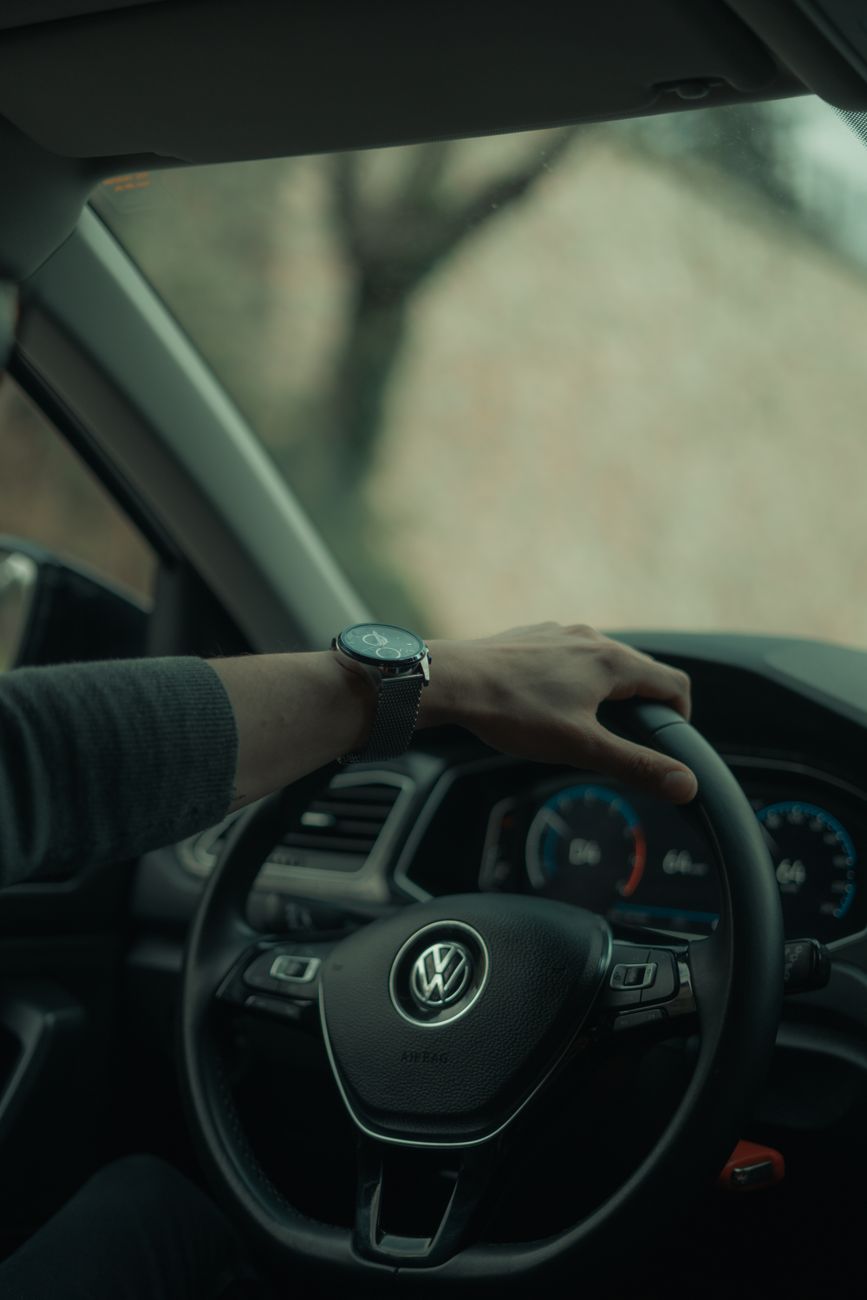
The 5 Most Common Pedal Usage Mistakes That Cause Failure on the Practical Driving Test
Learning to use the pedals with precision is the difference between passing and failing the practical driving test. The most common mistakes — pressing the clutch unnecessarily, not pressing it all the way down, braking abruptly, sudden acceleration, and resting your foot on the clutch — cause a lack of control, stalling, and disproportionate braking that examiners penalize immediately. This article explains each mistake, why it happens, and how to correct it with concrete steps so you arrive at the test with smooth and safe control.
Why are pedals decisive on the practical test?
The examiner doesn't just evaluate whether you follow traffic rules. They observe your ability to handle the vehicle smoothly and with anticipation. Incorrect pedal use reveals a lack of control and experience. According to a driving school, "abrupt stomps or constantly stalling the car can denote a lack of control." That's why mastering the pedals is as important as knowing traffic signs.
Pedal control affects three systems: braking, clutch, and acceleration. Each has its own technique. Confusing them or applying excessive force generates mechanical responses the car won't forgive. The good news is that these mistakes are correctable with conscious practice.
What you need before starting
To work on correcting these mistakes, you need a controlled environment and a learning mindset. It's not about memorizing, but about internalizing sensations.
- A practice vehicle (ideally the same one you'll use on the test): Familiarity with pedal travel and clutch stiffness reduces uncertainty on test day. Every car has a different bite point, and knowing it prevents stalling.
- An experienced instructor or companion: They'll give you immediate feedback on the smoothness of your movements. Without a second opinion, it's easy to repeat bad habits without realizing it.
- A spacious area without traffic (an empty parking lot or a closed industrial zone): It allows you to repeat starts, stops, and gear changes without the pressure of real traffic. Repetition in a safe environment accelerates learning.
- Proper footwear: Shoes with a thin, flexible sole allow you to feel the exact pressure on the pedal. Thick soles or heels make fine modulation difficult.
- A mental checklist of the five mistakes: Keeping in mind what to avoid helps you self-observe in real time. You can print it or keep it on your phone.
Step 1: Identify if you're pressing the clutch unnecessarily
The first mistake is pressing the clutch when you shouldn't. Many novice drivers tend to do it out of insecurity or habit. The clutch should only be pressed to change gears or to bring the vehicle to a complete stop. Keeping it pressed while driving or when slowing down without changing gears wears out the system and eliminates the tactile reference you need to know when it engages.
How to correct it: During a practice session, focus on keeping your left foot away from the clutch pedal when not in use. Let it rest on the footrest. If you notice your foot moving toward the pedal out of inertia, stop and restart the drive. Conscious repetition creates the correct habit.
Why it matters: The clutch is the pedal that generates the most confusion. Pressing it unnecessarily can cause serious damage over time and, on the test, reveals a lack of control. An experienced examiner immediately notices if the driver rests their foot on the clutch.
Tip: Set a mental marker: every time you change gears, after releasing the clutch, remove your foot completely. From leaving your foot on the clutch to removing it after each gear change.
Step 2: Make sure you press the clutch all the way down
The second mistake is not pressing the clutch completely when changing gears. Many drivers don't reach the bottom of the travel, which causes premature wear on the discs and abrupt gear changes. On the test, a poorly executed gear change can stall the car or cause jerking.
How to correct it: Practice the full movement: press the clutch all the way down decisively, change gear, then release your foot gradually, smoothly, and progressively to protect the shock absorbers and avoid jerking. Repeat the exercise in a safe area, paying attention to the bite point.
Why it matters: A poorly pressed clutch not only damages the vehicle but also prevents the driver from feeling the exact point where the clutch begins to engage. That tactile reference is key to starting without stalling the engine.
Warning: Don't confuse pressing all the way down with pressing abruptly. The force should be firm but controlled. The release should be gradual, smooth, and progressive.
Step 3: Modulate brake pressure correctly
The third mistake is braking abruptly when it's not necessary. The popular belief that you should brake progressively from less to more is wrong: it's better to press the brake first decisively and then modulate pressure as needed. Also, sudden braking can cause damage to the braking system and safety failures in the medium term.
How to correct it: In a clear area, practice braking at different speeds. First press decisively (without locking the wheels), then release gradually until you stop. Repeat until the movement is automatic. On the test, anticipate braking: brake before entering a curve, never inside it.
Why it matters: Abrupt braking on the test is interpreted as a lack of control and planning. Manufacturers recommend braking smoothly and progressively unless circumstances require a complete stop.
Practical example: Imagine you're approaching a stop sign. Instead of waiting until the last moment and braking suddenly, release the accelerator in advance and apply firm initial pressure followed by smooth modulation. The examiner will see foresighted driving.
Step 4: Avoid sudden acceleration
The fourth mistake is sudden acceleration. This is dangerous, increases fuel consumption, and pollutes more. On the test, sudden acceleration suggests impatience and lack of control.
How to correct it: Practice gradual acceleration. Imagine there's an egg under the accelerator pedal that must not break. Apply pressure constantly and progressively. On a flat area, try to maintain a constant speed without abrupt variations. Smoothness is the goal.
Why it matters: Efficient driving is not only an ecological skill but a sign of maturity behind the wheel. An examiner values the ability to maintain a uniform pace and anticipate traffic needs.
Tip: If the vehicle has a manual transmission, coordinate the accelerator with the clutch so that power delivery is fluid. Brusqueness in one is compensated by smoothness in the other.
Step 5: Don't rest your foot on the clutch
The fifth mistake is keeping your foot resting on the clutch permanently. La Razón describes it as a bad habit that can trigger serious damage. It also eliminates the tactile reference needed to know when the clutch engages.
How to correct it: After each gear change, remove your left foot and rest it on the footrest. Do it consciously for at least 10 practice sessions. At first it will feel uncomfortable, but soon it will become automatic.
Why it matters: This habit is doubly costly: it wears out the system and prevents you from feeling the bite point. On the test, an examiner may notice that your left foot is resting on the clutch and penalize you for lack of control.
Warning sign: If at the end of a practice session you feel fatigue in your left foot, it's likely you've been resting it on the clutch. Correct your posture.
Frequently asked questions and troubleshooting
What should I do if the car keeps stalling when I start?
Stalling usually indicates that you're not coordinating the clutch and accelerator well. The most common cause is releasing the clutch too quickly without enough acceleration. Solution: practice the bite point on a flat area. Press the clutch all the way down, engage first gear, accelerate gently to about 1,500 rpm, and release the clutch very slowly until the car starts moving. Hold the pressure for an instant and then finish releasing. Repeat until you master it. If the problem persists, check your seat position: too far from the pedal can prevent you from pressing it all the way down.
How do I avoid braking in the middle of a curve?
Braking inside a curve is a common mistake that can cause loss of control. The solution is to anticipate: reduce speed before entering the curve and maintain smooth, constant pressure during the turn. If you need to adjust, do so very gently. Remember that it's better to brake in advance before starting the turn.
What other pedal mistakes should I avoid?
In addition to the five steps, pay attention to your left foot position. Some drivers brake with their left foot out of habit, which is dangerous in an automatic car. If you want to delve deeper, check out our guide on how to avoid the mistake of pressing the brake with your left foot.
Next steps to pass with confidence
Correcting these five mistakes is not a matter of memorization but of deliberate practice. Dedicate specific sessions to each pedal: one for the clutch, another for the brake, another for the accelerator. Record yourself or ask your instructor to observe you and give you immediate feedback. Smoothness and anticipation are the two qualities an examiner values most. If you want to know how other common mistakes affect the test, read our article on common mistakes and solutions: how our methodology reduced failure on the driving test by 40%. We also recommend reviewing the technique for not checking blind spots and the correct speed framework, because pedal control is closely linked to speed. With these steps and a bit of consistency, you'll arrive at the practical test with the confidence of someone who masters the vehicle, not with the fear of someone who dreads stalling at every corner.