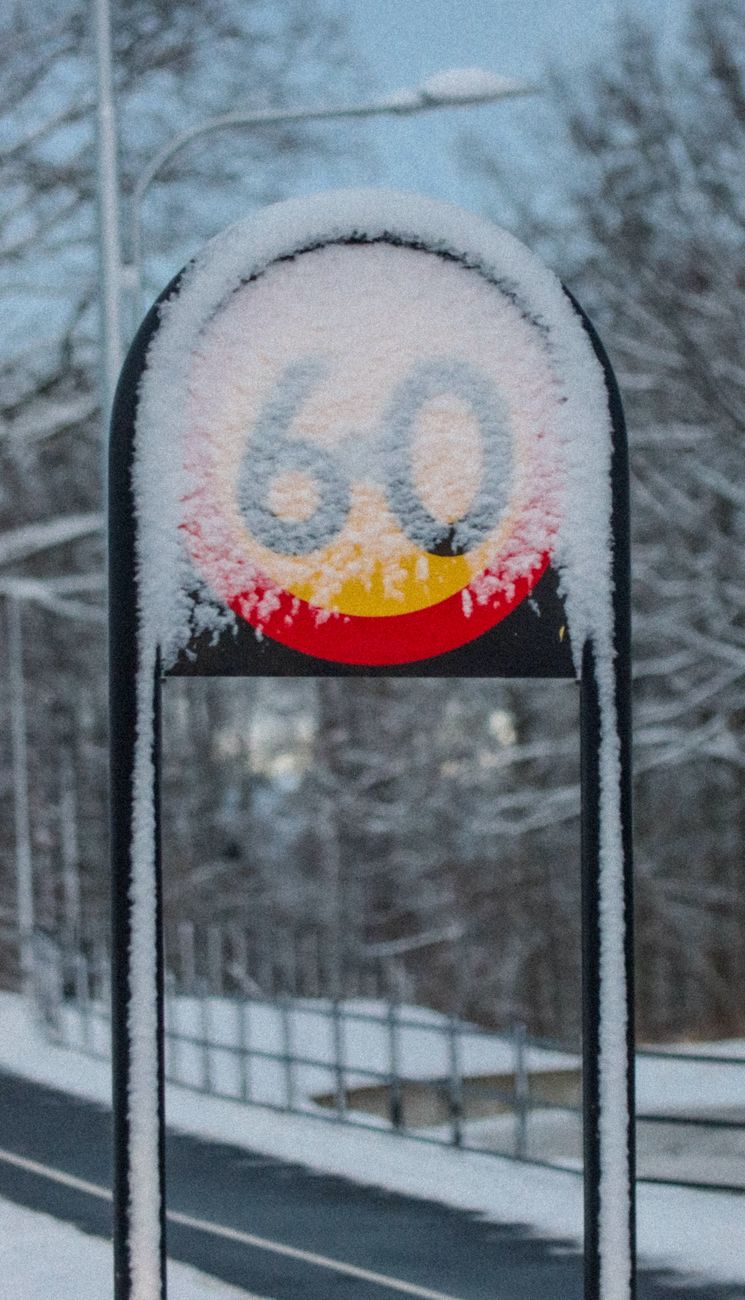
Speed regulation signs are mandatory rules that every driver must know and obey: a white circle with a red border indicates the maximum speed limit, while a blue circle with a white number establishes the mandatory minimum speed. On the written driving test, these signs appear frequently, and correctly interpreting them can make the difference between passing on the first try or having to retake the test. Mastering their meaning, scope, and exceptions not only ensures your success on the test but also makes you a safer and more responsible driver on the road.
Introduction to the Speed Sign Interpretation Framework
Learning to interpret speed signs isn't about memorizing random images. It's about understanding a logical and coherent system that allows you to react correctly in any situation. To simplify this process, I've developed a three-step framework that we'll call the CER Method: Classify, Understand the Scope, and Respond Accordingly. This approach helps you break down each sign you encounter, both on the test and in real driving, ensuring that you not only recognize the symbol but also know exactly what to do and how far it applies.
Why This Framework Works for the Test and Driving
The CER Method works because it's based on the internal logic of the traffic sign system. Instead of treating each sign as an isolated piece of information, the method teaches you to see them as part of a language with grammatical rules. By classifying a sign (is it mandatory, prohibitory, or end of prohibition?), you automatically know what type of instruction it's giving you. By understanding its scope (where does it apply and until when?), you avoid common mistakes. And by responding accordingly, you apply the correct action at the right moment. This process mirrors how good drivers process visual information on the road: quickly, systematically, and accurately.
Step 1: Classify the Sign Based on Shape and Color
The first step of the method is to identify the type of sign. In speed regulation, there are three main categories you must clearly distinguish:
-
Prohibition signs (maximum speed limit): Circular with a white background and red border. There is usually a number in black indicating the maximum permitted speed in kilometers per hour. This sign orders you not to exceed that limit.
-
Mandatory signs (minimum speed): Round, with a blue background and a number that may be white or blue (depending on the specific sign). This sign obliges you to drive at least at that speed.
-
End of prohibition or limitation signs: Usually have a black diagonal line crossing the sign. For example, the end of a maximum speed is indicated by a white sign with a red border but with the diagonal line. The end of a minimum speed is indicated by the minimum speed sign crossed out by a diagonal line.
Remember these are general shapes; there may be variations by country, but on the official written test, these are almost certainly the ones you'll encounter.
Step 2: Understand the Scope of the Sign
One of the most common questions on the written test is: "How far must I obey this sign?" The answer lies in the concept of scope. Maximum or minimum speed signs apply from the point where they are placed until you encounter another sign that cancels them. This cancellation can be:
- Another speed sign indicating a different limit.
- An end of prohibition or end of limitation sign, usually a sign with a black diagonal line.
For example, if you see a maximum speed sign of 50 km/h, you must maintain that speed until you see a sign indicating a higher speed, an "end of prohibition" sign (a white sign with a black diagonal line), or in some roads, an "end of speed limitation" sign specifically for this case.
It's important to note that minimum speed signs do not apply in adverse conditions or congestion where it's impossible to maintain that speed. However, in normal conditions, compliance is mandatory.
Step 3: Respond Accordingly
Once you've classified the sign and understood its scope, the last step is to decide what action to take. This may seem simple, but on the written test, they often present situations that require applying several signs at once.
Imagine driving on a road with a maximum speed sign of 70 km/h. Further ahead, you find a minimum speed sign of 60 km/h. In this section, you must drive at a speed between 60 and 70 km/h. If the weather is bad, you'll need to reduce speed even though the minimum speed sign doesn't require it, because safety takes priority.
Another common case is the "end of prohibitions" sign (white circle with black diagonal line). This sign cancels all previous prohibitions except the no-passing restriction, according to the source. So, if you came from a zone with a maximum speed of 30 km/h, after passing this sign, you can resume the permitted speed for that type of road, which might be higher.
How to Apply the CER Method on the Written Test
Applying this method on the written test is simple if you follow these steps when faced with a question about speed signs:
- Read the full question and underline key terms like "maximum speed," "minimum speed," "end of limitation."
- Identify the sign in the image if there is one, and classify it: Is it circular with a red border? Is it circular with a blue background?
- Determine the scope: Is the sign located exactly at the point in question, or is there another sign further ahead?
- Answer based on current regulations, not assumptions.
It's essential to practice with sample tests. Many include questions with combined signs where you need to correctly apply the concept of scope.
Practical Examples and Common Cases
Let's look at some concrete examples to help you understand the method better:
Example 1: Speed limit on a highway
You're driving a car on a road with a maximum speed sign of 90 km/h. Further ahead, you encounter a maximum speed sign of 70 km/h. You must reduce your speed to 70 km/h until a sign appears indicating a higher limit or an end of limitation.
Example 2: Minimum speed in a tunnel
Inside a tunnel, there may be a minimum speed sign of 60 km/h. This sign obliges you to drive at least at 60 km/h, provided conditions allow. If there's a traffic jam or breakdown, this sign doesn't require you to maintain that speed because it would be impossible. On the test, if asked what to do in a traffic jam, the correct answer is to reduce speed, even if a minimum speed sign is present.
Example 3: End of prohibition
A sign consisting of a white circle with a black diagonal line, with no numbers, indicates the end of all previous prohibitions (except no passing). If you came from a zone with a maximum speed of 30 km/h, this sign allows you to return to the maximum permitted speed for that road (for example, 50 km/h in urban areas).
Common Mistakes to Avoid
- Confusing minimum and maximum speed: a round sign with a red border is always a prohibition, while a blue sign is a mandatory instruction. Don't mix them up.
- Forgetting the scope of the sign: many people think a maximum speed sign applies until the next intersection. In reality, it applies until a sign that cancels it, not until an arbitrary intersection.
- Ignoring the end of prohibitions sign: this sign is very important because it restores general rules. Make sure you know its meaning, as mentioned in the source.
- Assuming the minimum speed is a recommendation: it is mandatory, and failing to comply can be penalized. On the written test, there are questions based on this distinction.
Tools and Resources for Practice
To master these signs, I recommend the following resources:
- Online practice tests: use platforms like
tuteorica.comto practice with real exam questions. - DGT manual: download the latest edition of the traffic norms and signs manual.
- Mobile driving test apps: many include exam simulators that allow you to evaluate your knowledge.
Frequently Asked Questions on Speed in the Written Test
What does a round sign with a white background and red border mean?
It is a prohibition sign. If it has a number, it indicates the maximum permitted speed in km/h.
How long must I obey a maximum speed sign?
Until you encounter a sign that cancels it, whether a different limit, an end of limitation, or an end of prohibitions.
Can I drive below the minimum speed if the weather is bad?
Don't confuse: the minimum speed sign applies under normal conditions. In adverse conditions, you must reduce speed for safety, even if you don't reach the minimum.
What does a speed sign with a black diagonal line indicate?
It may indicate the end of a speed limitation if it's a white sign with a red border and a diagonal line, or the end of minimum speed if it's a blue sign with the diagonal line. Most importantly, you're no longer obligated to maintain that specific speed.
What's the difference between a speed sign and a mandatory sign?
Maximum speed signs are prohibitive (you must not exceed the limit). Minimum speed signs are mandatory (you must drive at least at that speed). Both are obligatory, but their shape and color distinguish them.
Conclusion and Next Steps
Mastering speed regulation signs is essential to pass the written test and become a safe driver. The CER method (Classify, Understand the Scope, Respond) gives you a clear framework to tackle any question related to these signs. Remember that constant practice is key: take tests, read the official DGT manual, and when on the road, pay attention to signs and try to predict what comes next. By applying this approach, you'll increase your confidence and knowledge, which will be reflected in your exam success and daily driving performance.
In summary, speed signs aren't mere decorative posters: they are rules that exist to protect the lives of all road users. Knowing and respecting them is a duty of every driver and an indicator of your professionalism and responsibility.
For further depth, I recommend also reviewing Signs for Special Road Conditions: Slopes, Curves, and Low Visibility Zones on the Exam, which complement your understanding of how to act in specific situations. Additionally, if you're concerned about interpreting signs in work zones, I suggest reading our article on Traffic Signs in Work Zones: How to Interpret and Act.
Now that you have these tools, practice with sample tests and reinforce your knowledge. Good luck on your driving test!