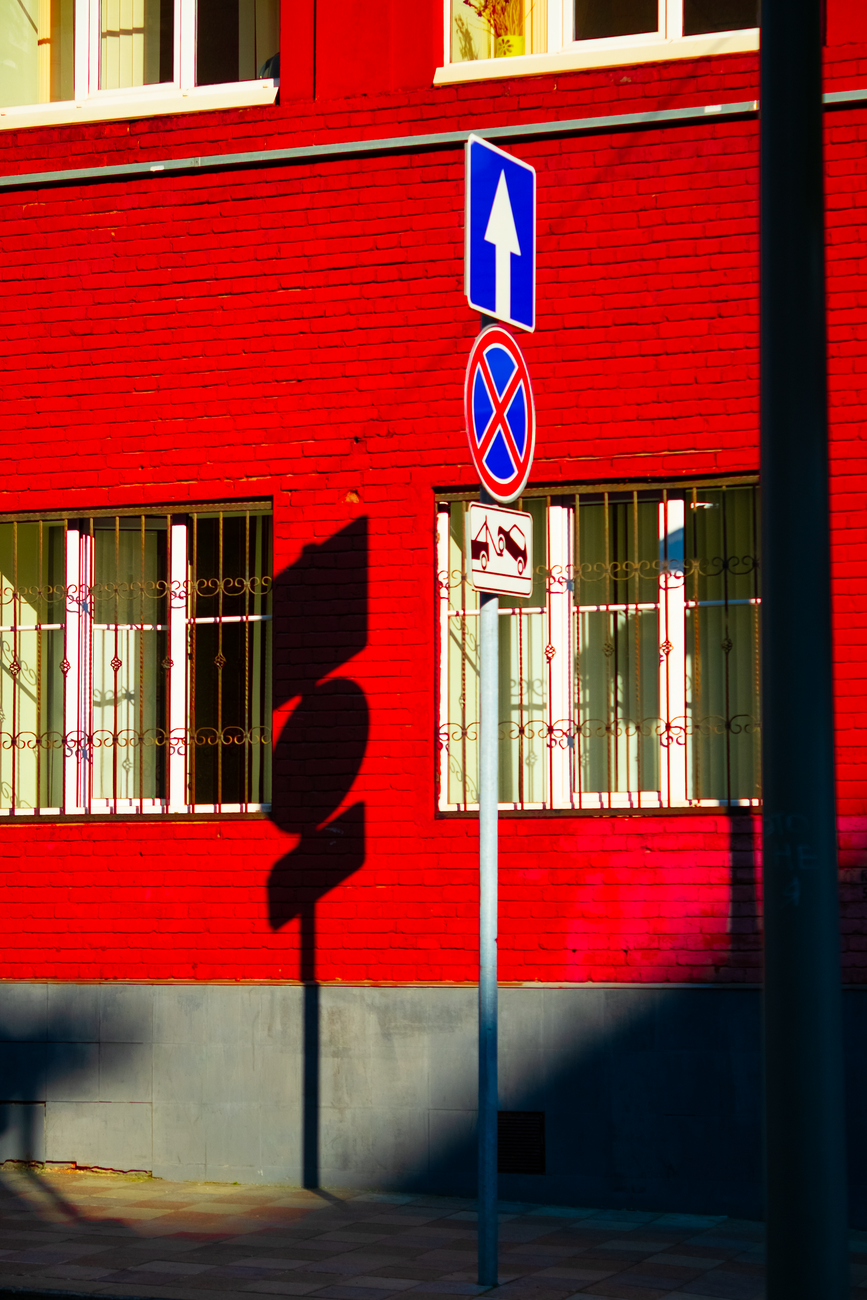
Right of Way: Complete Guide to Determining Who Has Priority in Traffic
Right of way is one of the fundamental concepts in safe and efficient driving. Determining who has priority in different traffic situations is not only essential to avoid accidents but also constitutes a basic pillar of road coexistence. In Spain, according to data from the Directorate General of Traffic (DGT), approximately 25% of accidents in urban areas are related to confusion or non-compliance with right-of-way rules. This article provides the definitive guide on how to correctly apply right-of-way rules in all possible situations, from simple intersections to complex scenarios with multiple vehicles and vulnerable users.
Legal Fundamentals of Right of Way
The right-of-way rules are established in the General Traffic Regulations, specifically in articles 56 to 61. These legal provisions create a hierarchical framework that all drivers must know and respect. The fundamental basis is that priority is not an absolute right but a shared responsibility that requires constant attention and foresight.
The basic principles establish that, in the absence of specific signage, vehicles traveling on a road have priority over those intending to join it from a path or access. Furthermore, at intersections under equal conditions, the vehicle approaching from the right has priority. However, these general rules are subject to multiple exceptions and nuances that every driver must master.
To fully understand the legal framework governing right of way, it is essential to consult the Traffic Regulations and Rules: A Complete Guide, where all applicable provisions are detailed.
Right-of-Way Signage: Correct Interpretation
Vertical and horizontal signage is the universal language that regulates priority on roads. Mastering its interpretation is crucial for safe driving.
Priority Signs at Intersections
Signs R-1 (yield) and R-2 (stop) are the most common. Sign R-1 requires yielding to vehicles traveling on the road you intend to enter, without needing to stop if there is no traffic. Sign R-2, on the other hand, requires a mandatory stop before the stop line or, in its absence, before the intersection.
Sign R-3 (road with priority) indicates that you are traveling on a road with priority at intersections, while sign R-4 (end of priority) signals the end of that preference. Sign R-5 (priority for oncoming traffic) is especially important on narrow roads, indicating that vehicles traveling in the opposite direction must yield.
Road Markings Related to Priority
Pavement markings complement vertical signage. The stop line (white and continuous) requires a mandatory stop. The yield triangle painted on the roadway has the same meaning as the corresponding vertical sign. Advanced stop lines for cyclists at traffic lights are another crucial element in shared priority.
Priority at Unmarked Intersections
Unmarked intersections are scenarios where many drivers experience doubts. The fundamental rule is priority from the right, established in article 57 of the General Traffic Regulations. When two vehicles arrive simultaneously at an unmarked intersection, the one approaching from the right has preference.
However, this rule presents important nuances. If one vehicle is traveling on a paved road and another on an unpaved one, the former has priority regardless of the direction of approach. Similarly, vehicles traveling on a road have preference over those intending to join from a path or private access.
Practical example: Imagine you are driving on an unmarked residential street and approaching a T-intersection. A vehicle appears from your right on the perpendicular street. According to the general rule, you must yield. However, if that vehicle is coming from an unpaved dirt road and you are traveling on an asphalt street, the priority would be yours.
Priority at Roundabouts and Traffic Circles
Roundabouts are critical points where right-of-way rules must be applied precisely. The fundamental rule states that vehicles already circulating within the roundabout have priority over those attempting to enter it. This rule applies even when there is no specific signage, although most roundabouts are marked with yield signs at each entrance.
Correct circulation in roundabouts requires:
- Reducing speed when approaching
- Yielding to vehicles already circulating in the roundabout
- Merging when it is safe
- Staying in the outer lane if taking the first exit
- Signaling lane changes and exits correctly
A common mistake is believing you have priority when circulating in the inner lane of the roundabout. In reality, all vehicles within the roundabout have priority over those trying to enter, regardless of the lane they occupy.
Priority with Vulnerable Users
Right-of-way rules take on special importance when interacting with vulnerable road users. Pedestrians have priority at properly marked crosswalks, as established in article 65 of the General Traffic Regulations. Drivers must come to a complete stop when a pedestrian shows intention to cross or has already started crossing.
With cyclists, priority varies depending on the context. In properly marked bike lanes, cyclists have priority at intersections. On shared roads, the same general rules apply as for motor vehicles. Drivers must exercise extreme caution when passing cyclists, maintaining a minimum lateral distance of 1.5 meters.
Emergency vehicles (ambulances, fire trucks, police) with activated lights and sirens have absolute priority. All drivers must facilitate their passage by stopping if necessary and clearing the lane they are using.
Priority in Special Situations
Roadworks and Narrowings
On roads with works or narrowings that prevent the simultaneous passage of two vehicles, specific rules apply. If there is no signage, the vehicle that arrived first at the narrowing has preference. If there is sign R-5 (priority for oncoming traffic), vehicles in the direction indicated by the arrow have priority.
Merging onto Highways and Freeways
Vehicles merging onto a highway or freeway from an acceleration lane must yield to those already traveling on the main roadway. It is the responsibility of the merging driver to adjust their speed and find a safe gap to merge.
Railroad Crossings
At level crossings, trains always have absolute priority. Drivers must come to a complete stop at the stop sign or red traffic light, and never attempt to cross when the barriers are down or in motion.
Comparative Table of Right-of-Way Situations
| Situation | Right-of-Way Rule | Exceptions | Penalty for Non-Compliance |
|---|---|---|---|
| Unmarked intersection | Priority from the right | Paved vs unpaved road | €200 and 4 points |
| Roundabout with yield sign | Priority to vehicles inside | None | €200 and 4 points |
| Marked pedestrian crossing | Absolute priority for pedestrian | Red traffic light for pedestrian | €200 and 4 points |
| Merging onto highway | Yield to main roadway | Long acceleration lane with no traffic | €200 and 4 points |
| Roadworks with sign R-5 | Priority according to arrow | None | €200 and 3 points |
| Emergency vehicles | Absolute priority with activated signals | None | €200 and 4 points |
Speed and Priority: Critical Relationship
The speed of approach to an intersection or potential conflict situation is a determining factor in the safe application of right-of-way rules. Traveling at an appropriate speed allows:
- More time to identify signs and users
- Better ability to react to unexpected events
- Shorter braking distances
- More accurate assessment of situations
According to studies by the Road Safety Institute, reducing speed from 50 km/h to 30 km/h in urban areas decreases the risk of a pedestrian collision with serious consequences by 40%. This relationship between speed and safety is especially relevant when considering the Speed Limits in Spain: Rules by Road Type and Zone, which establish the legal frameworks for safe driving.
Common Mistakes and How to Avoid Them
Mistake 1: Assuming Priority Without Confirming
Many drivers assume they have priority without fully verifying the situation. The solution is to adopt the "precautionary principle": even when you have priority, reduce speed and confirm that other users respect it.
Mistake 2: Relying on Non-Existent Signs
At complex intersections, some drivers "invent" right-of-way signs based on assumptions. The rule is clear: without specific signage, apply the general rules established in the regulations.
Mistake 3: Not Anticipating Others' Behavior
Defensive driving requires anticipating possible errors by other users. In right-of-way situations, this means being prepared for another driver not to yield when they should.
Statistics and Relevant Data
The DGT annually publishes data highlighting the importance of respecting right-of-way rules:
- 18% of accidents with victims in urban areas involve failure to yield right of way
- Intersections are the setting for 31% of urban accidents
- 42% of drivers admit having had doubts about right of way in the last 6 months
- Summer months record a 15% increase in accidents due to misapplied priority
These figures underscore the need for continuous training and constant attention to right-of-way rules.
Conclusion and Practical Recommendations
Right of way is much more than a set of technical rules; it is the common language that enables safe and efficient coexistence on the roads. Mastering these rules requires:
- Comprehensive knowledge of the General Traffic Regulations and its updates
- Constant attention to signage and the behavior of other users
- Preventive attitude, anticipating possible conflicts even when you have priority
- Absolute respect for vulnerable users and special situations
- Continuous training through update and refresher courses
The correct application of right-of-way rules not only prevents accidents and penalties but also contributes to smoother and less stressful mobility for everyone. As responsible drivers, we must internalize that priority is not just a right, but primarily a responsibility towards ourselves and other road users.
Remember that right-of-way rules are integrated within a broader legal framework that you can consult in detail in our complete guide on Traffic Regulations and Rules: A Complete Guide, and that their safe application is closely related to respecting the Speed Limits in Spain: Rules by Road Type and Zone.