Relaxation and Concentration Techniques Behind the Wheel: Breathing and Visualization Exercises for the Exam
Executive Summary
Passing the practical driving exam requires much more than mastering the clutch or traffic signs. The evidence gathered in this document shows that relaxation, concentration, and controlled breathing are trainable skills that directly impact performance under pressure. This whitepaper analyzes why nerves sabotage technically prepared drivers and presents a structured protocol of 4-4-4 breathing and guided visualization. The goal is not to eliminate physiological activation, but to channel it: a moderate level of nerves improves attention and reflexes. Throughout these pages, the reader will find concrete exercises, an illustrative case, and implementation considerations to turn anxiety into an ally during the exam.
Introduction: Why Can Nerves Make You Fail an Exam You Already Know How to Drive?
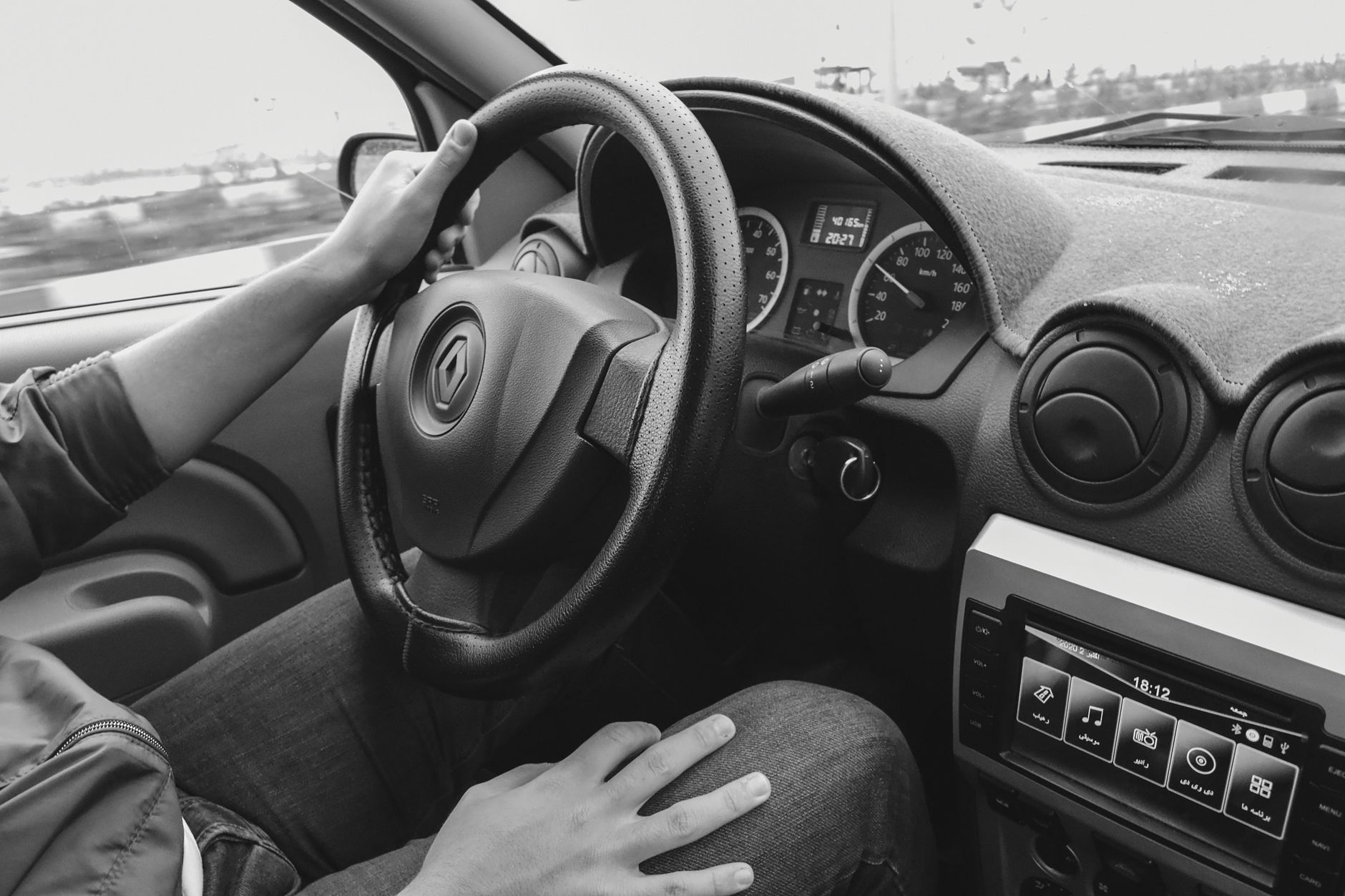
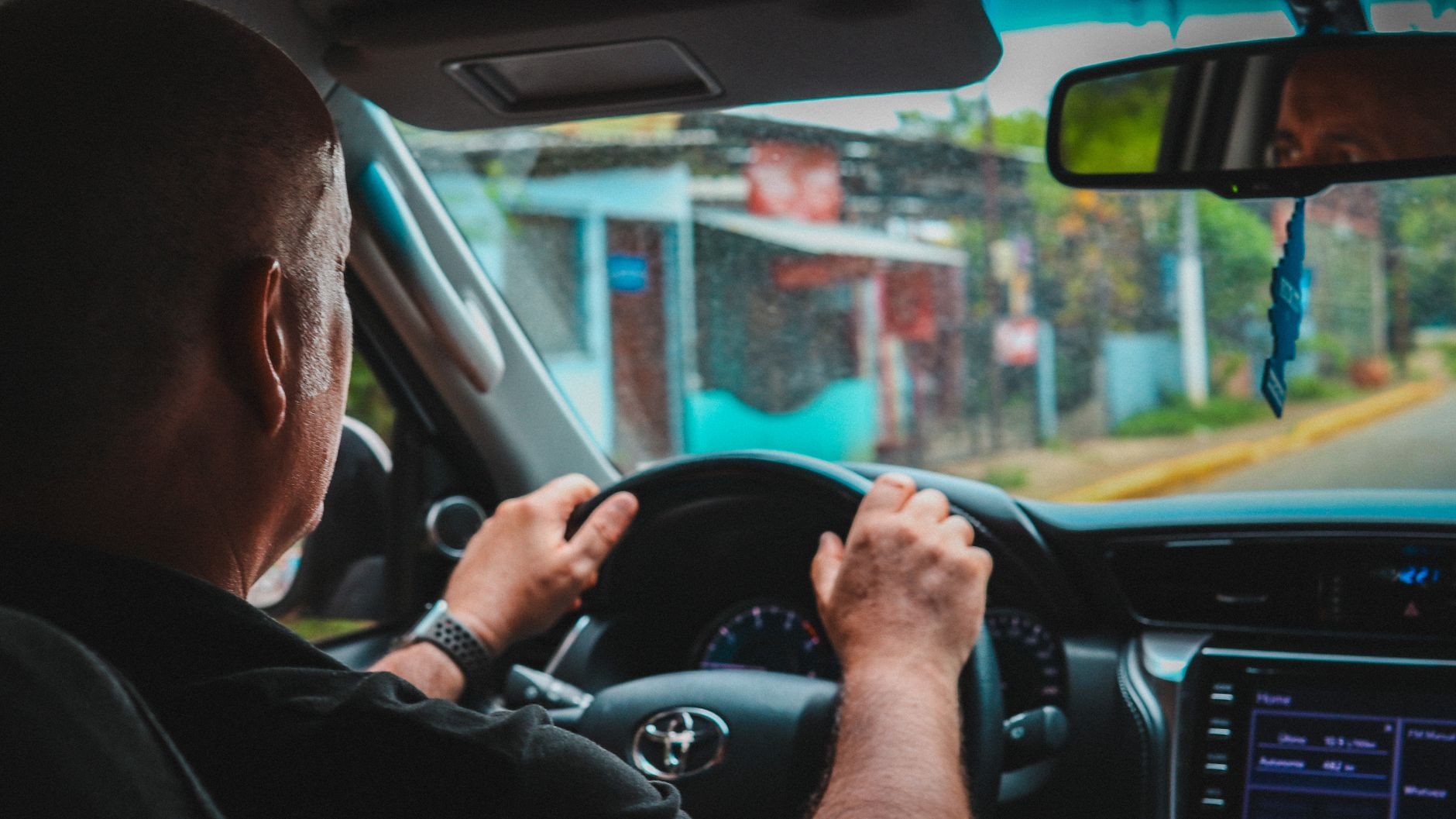
The practical driving exam doesn't only evaluate technical skills. It also measures concentration capacity, emotional control, and decision-making under pressure. Many candidates arrive well-prepared from a technical standpoint, but anxiety plays a bad trick on them. Breathing quickens, hands tense on the steering wheel, and the mind goes blank at the least opportune moment.
According to Kany Driving School, mindful driving can transform our experience behind the wheel, making every trip safer and more enjoyable. This idea is key: relaxation is not a luxury, but a professional competency that can be trained. In the context of the exam, the difference between passing and failing often lies not in hours of practice, but in managing the mind.
The techniques presented here have practical support in driving school literature: deep breathing, positive visualization, progressive muscle relaxation, and mindfulness. This whitepaper integrates them into a coherent protocol and adapts them to the specific moment of the exam. The goal is for the driver to arrive at the vehicle with a clear mind, a relaxed body, and attention focused on the road.
Problem Statement: Anxiety as an Invisible Barrier
Anticipatory anxiety is the examinee's main enemy. Days before the exam, the candidate may experience catastrophizing thoughts: "I'm going to fail," "I'm going to blank out," "the examiner is going to yell at me." These thoughts activate the stress response, which quickens breathing and generates more anxiety, creating a vicious cycle.
The problem is compounded because many drivers have not received specific training in emotional management. Driving schools focus on the technical, but the exam is a test of performance under pressure. Drive Driving School points this out clearly: the practical exam measures concentration, emotional control, and decision-making under pressure. Without tools to regulate these aspects, the candidate is at the mercy of their nerves.
Additionally, there is a mistaken belief: that nerves must be eliminated completely. The evidence indicates the opposite. A moderate level of activation improves attention, increases concentration, and strengthens reflexes. The goal is not to eliminate nerves, but to manage them. This distinction is fundamental and is often overlooked in conventional advice.
Anxiety doesn't only affect emotions; it has physical manifestations: muscle tension, sweating, shallow breathing, and elevated heart rate. These signals interfere with coordination and decision-making. Progressive muscle relaxation, which consists of tensing and releasing different muscle groups such as the hands, shoulders, or legs, helps release accumulated tension. However, many candidates don't know this technique or don't practice it before the exam.
In summary, the problem has three layers: anticipatory anxiety, the lack of emotional regulation tools, and the belief that nerves are necessarily negative. This whitepaper addresses all three.
Analysis and Research
What Does the Evidence Say About Breathing and Visualization?
Deep breathing is one of the most competent techniques for reducing anxiety and maintaining concentration on the road, allowing for better decision-making. It consists of inhaling slowly and deeply through the nose, holding the breath for a few seconds, and exhaling through the mouth. This practice can be done before getting into the car and also during driving, if the driver feels that anxiety is taking over.
Carbayón Driving School proposes a structured variant: the 4-4-4 breathing technique. It consists of inhaling through the nose for 4 seconds, holding the air for 4 seconds, and exhaling slowly through the mouth for 4 seconds. It is repeated several times until tension decreases. Drive Driving School proposes a slight modification: inhale for 4 seconds, hold for 4 seconds, and exhale for 6 seconds. The difference in exhalation (4 vs. 6 seconds) can influence parasympathetic activation; in both cases, the goal is to reduce physiological activation before starting.
Visualization is the other great tool. According to Carbayón, it involves closing your eyes a few minutes before the exam and imagining that you are already a driver, not a student. Visualize yourself completing the route safely, respecting signs, releasing the clutch calmly, and finishing successfully. Drive adds details: imagining starting the vehicle, performing maneuvers with precision, and resolving traffic situations. This practice improves confidence and reduces uncertainty.
Kany Driving School complements these techniques with mindfulness behind the wheel: focusing on each sensation, such as the contact of your hands with the steering wheel, the sound of the engine, and the landscape. If anxiety appears, return to breathing, remembering that the road is a moment to enjoy, not just a means to reach a destination. This combination of breathing, visualization, and full attention constitutes a comprehensive mental preparation package.
How Does Breathing Affect the Nervous System and Performance?
Breathing is an autonomic function, but it can also be controlled voluntarily. When we are anxious, breathing becomes rapid and shallow, which activates the sympathetic nervous system (fight-or-flight response) and generates more anxiety. By breathing slowly and deeply, we activate the parasympathetic nervous system, which promotes calm and recovery. This physiological change has a direct impact on concentration and decision-making.
Evidence from driving schools suggests that practicing conscious breathing right before getting into the car reduces physiological activation. This is crucial because an excessive level of activation interferes with fine motor coordination and attention capacity. Conversely, a moderate level of activation improves attention, increases concentration, and strengthens reflexes. Controlled breathing helps find that middle point.
Progressive muscle relaxation also influences the nervous system. By tensing and releasing muscle groups, we release accumulated tension and send safety signals to the brain. This technique can be combined with breathing to enhance the effect. Mindfulness, for its part, trains attention on the present moment, preventing the mind from wandering toward catastrophic thoughts. Together, these practices strengthen emotional self-regulation.
What Role Does Prior Rest Play in Concentration?
The importance of prior rest is a factor that is often underestimated. Sleeping adequately the night before improves reaction time, attention capacity, and emotional control. These three elements are precisely what are evaluated in the practical exam. A rested driver has more cognitive resources to manage unforeseen events and stay calm.
Lack of sleep, on the other hand, increases irritability, reduces concentration capacity, and makes nerves harder to control. Therefore, any relaxation protocol should include rest as a fundamental pillar. It's not just about doing breathing exercises on the morning of the exam; it's about arriving at that morning with a rested nervous system.
Proposed Solution: 5-Step Breathing and Visualization Protocol
Based on the techniques described by Kany, Carbayón, and Drive driving schools, the following structured protocol is proposed. It is designed to be applied on the morning of the exam, ideally 30 minutes before the test.
Step 1: Mental Preparation and Prior Rest
The night before, make sure to sleep at least 7-8 hours. Avoid obsessively reviewing your notes; trust your preparation. Evidence indicates that sleeping well improves reaction time and attention capacity. If possible, do a relaxing activity before going to bed.
Step 2: 4-4-4 Breathing (or 4-4-6)
Sit in a quiet place. Close your eyes. Inhale through the nose for 4 seconds, hold the air for 4 seconds, and exhale slowly through the mouth for 4 seconds (or 6 seconds if you prefer Drive's variant). Repeat the cycle at least 5 times. Notice how tension decreases. This technique reduces anxiety and improves concentration.
Step 3: Positive Visualization
With your eyes closed, imagine that you are already a driver, not a student. Visualize yourself completing the route safely, respecting signs, releasing the clutch calmly, and finishing successfully. Include details such as starting the vehicle, performing maneuvers with precision, and resolving traffic situations. Think about the satisfied face at the end, both yours and the examiner's. This visualization improves confidence and reduces uncertainty.
Step 4: Progressive Muscle Relaxation
Tense and release different muscle groups: hands, shoulders, legs. Hold the tension for 5 seconds and then release. Repeat with each group. This technique helps release accumulated tension. You can combine it with breathing: inhale while tensing, exhale while releasing.
Step 5: Mindfulness Behind the Wheel
Once in the car, focus on each sensation: the contact of your hands with the steering wheel, the sound of the engine, and the landscape passing around you. If you feel that anxiety is taking over, return to your breathing. Remember that the road is a moment to enjoy, not just a means to reach a destination. Keep your attention in the present, without thinking about the final result.
This protocol is not rigid; you can adapt it to your personality. Some drivers prefer to start with visualization and then breathing. The important thing is to practice it before the exam so that it becomes an automatic habit.
Implementation Considerations
When and Where to Practice These Exercises?
Practice should begin days before the exam, not just on the morning of it. Repetition consolidates the relaxation response. It is recommended to practice 4-4-4 breathing and visualization for at least a week before the test. You can do it at home, in a quiet place, or even in the car before driving practice sessions.
During the exam, you may not have much time to close your eyes. However, you can apply conscious breathing at traffic lights or before starting. Deep breathing can be done at any time, even with your eyes open.
How to Integrate These Techniques with Technical Preparation?
Mental preparation does not replace driving practice. Both should go hand in hand. Driving schools usually offer exam simulations; take advantage of those instances to practice breathing and visualization in a realistic context. If you make mistakes in the simulation, don't punish yourself; use them as information to improve.
It is useful to create a pre-exam routine: the day before, review the necessary documentation (you can consult this Practical Exam Preparation Checklist: Documents and Requirements so you don't forget anything). Organization reduces uncertainty and, therefore, anxiety.
What to Do If Anxiety Is Overwhelming?
If despite the techniques anxiety persists, consider talking to a professional. In extreme cases, anticipatory anxiety may require psychological support. However, for most drivers, breathing and visualization techniques are sufficient. Evidence from driving schools suggests that these practices reduce physiological activation and improve concentration.
An important aspect is attitude. Instead of seeing nerves as an enemy, see them as a sign that you are prepared and your body is activating to perform. Moderate activation improves attention and reflexes. This cognitive reinterpretation is a powerful tool.
Illustrative Case: From Nerves to Passing
Imagine a driver who has practiced for months. Technically, they master all maneuvers. However, in simulations they freeze up. On the morning of the exam, their heart beats fast. They decide to apply the protocol: breathe 4-4-4 for 5 minutes, visualize the perfect route, and relax their shoulders. When getting into the car, they feel calmer. During the exam, they make a small mistake while parking, but they breathe and continue. In the end, they pass. It wasn't magic; it was mental training. This type of transformation is possible, as demonstrated by the real case of María, who overcame her nerves and passed her driving exam (see From Anxiety to Success: How María Overcame Nerves and Passed Her Driving Exam).
Conclusion
Relaxation, concentration, and breathing are not innate skills; they are trained. The evidence gathered from Spanish driving schools shows that techniques such as 4-4-4 breathing, positive visualization, progressive muscle relaxation, and mindfulness behind the wheel reduce anxiety and improve performance on the practical exam. The goal is not to eliminate nerves, but to manage them to harness their positive energy.
This whitepaper has presented a 5-step protocol that any driver can implement. The key is constant practice and integration with technical preparation. These are not magic techniques, but tools backed by the experience of driving schools and the physiology of stress.
Passing the driving exam is an important milestone, but it is also an opportunity to develop self-regulation skills that will accompany you throughout your life as a driver. Calm behind the wheel not only helps you pass; it makes you a safer and more conscious driver. As Kany Driving School points out, mindful driving transforms every trip into a safer and more enjoyable experience.
References
- Kany Driving School. Mindfulness Behind the Wheel: The Key to Passing Your Driving Exam. (Updated June 2026). https://autoescuelakany.es
- Carbayón Driving School. How to Prepare Mentally for the Practical Driving Exam. https://autoescuelacarbayon.es
- Drive Driving School. How to Prepare Your Mental Interior Before a Practical Exam. https://driveautoescuelas.com
For more information on comprehensive preparation, consult Juan Pérez's success story in Driving Exam Preparation and Tips: Juan Pérez's Success Story.
This article is an educational resource from examendemanejocr.com. Its goal is to help drivers prepare mentally for the practical driving exam.