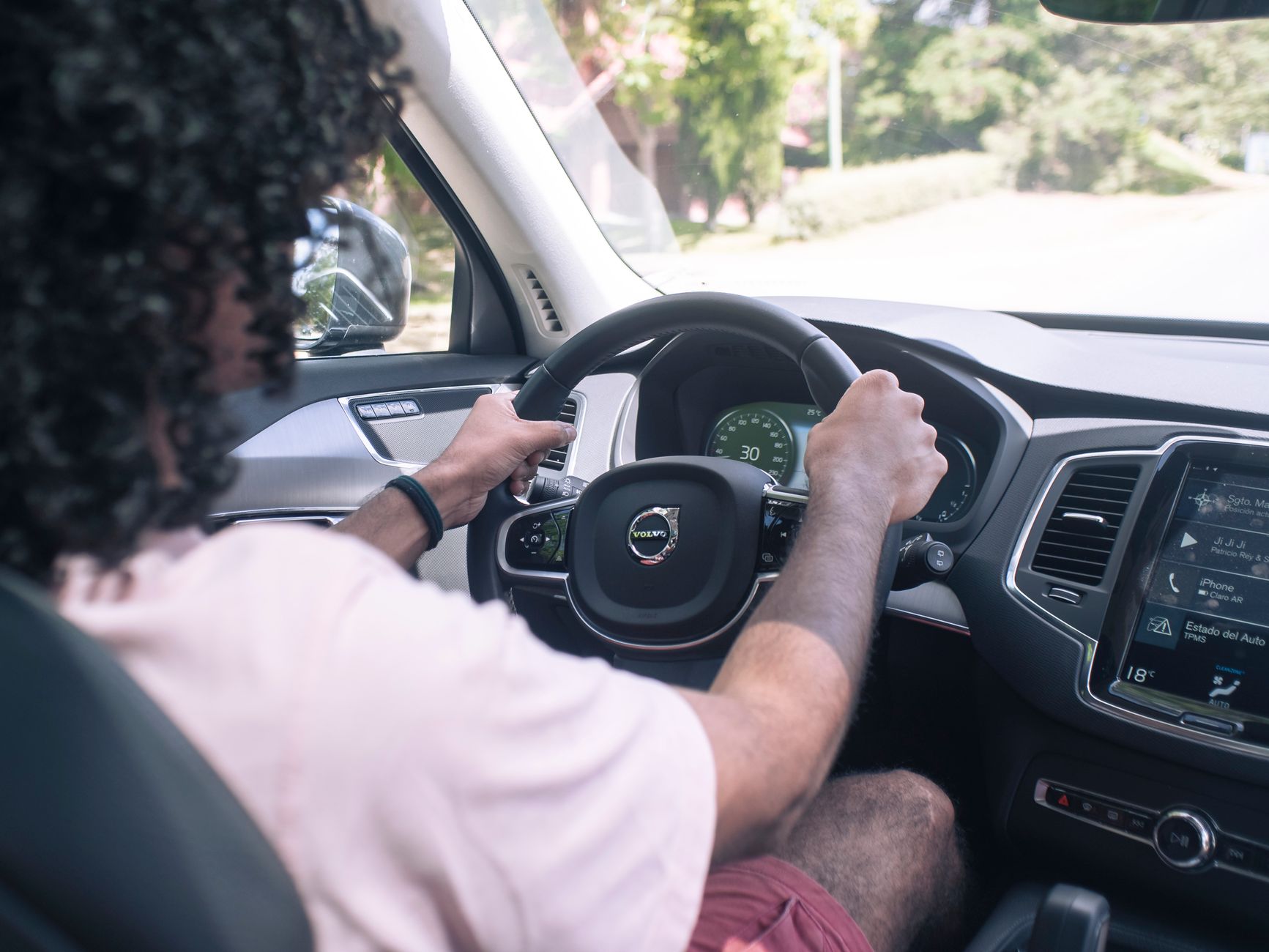
A third-party liability insurance policy is a mandatory requirement to obtain a driver's license in several states of Mexico, such as Querétaro, and must be valid at the time of the driving test. To comply, you need to purchase this minimum coverage, present the appropriate documentation, and ensure that the vehicle used in the test is insured. This article presents a three-step framework called "Verify-Insure-Comply," designed to help any driver meet these requirements without setbacks.
Introduction to the "Verify-Insure-Comply" Framework
The process of obtaining a driver's license involves multiple procedures, and one of the most critical is presenting car insurance. The "Verify-Insure-Comply" framework is a structured approach that guides you from understanding the requirements to properly submitting documents. This framework is divided into three stages: first, you verify the minimum coverage required by your state; second, you secure the correct policy with the necessary documentation; third, you comply with the final steps of the process. It is applicable for both first-time drivers and those renewing their license.
Why This Framework Works
This framework works because it reduces uncertainty and common errors. By following its steps, you ensure that your policy meets the required minimum coverage, the documents are in order, and the test vehicle is appropriate. Additionally, it is based on real requirements from states like Querétaro, where the law mandates liability insurance. The step-by-step structure avoids omissions and streamlines the process, especially for first-time license applicants.
The Steps of the Framework
Step 1: Verify the Minimum Coverage Requirements in Your State
The first step is to research the specific insurance requirements for obtaining a license in your locality. Not all states require the same. For example, in Querétaro, the authority requires first-time license applicants to have a valid third-party liability insurance policy. This minimum coverage covers damages you may cause to other people or their property during the driving test and while using the vehicle. It is important to note that this type of insurance is already mandatory for driving on federal highways, so many drivers already have it.
To verify, check your state's official traffic website or visit the licensing office. Ask specifically: "What type of insurance is required and what is the minimum coverage?" In some places, insurance covering third-party damages may be required, while others may demand additional coverage. Do not assume that any policy will suffice; the policy must correspond to the vehicle you will use during the test.
Step 2: Secure the Policy and Gather the Documentation
Once you know the requirements, the next step is to purchase the appropriate policy and gather all documents. The policy must be third-party liability insurance, valid on the date of the test. Make sure the policyholder's name matches the license applicant's name, or alternatively, that the vehicle is insured and you can present a letter of responsibility from the owner.
The documentation generally requested includes:
- Official photo ID (INE, passport, professional license, etc.).
- Recent proof of address (not older than three months): utility bill (electricity, water, phone), property tax, natural gas, bank statement, tax statement, residence letter, or rental contract with RFC.
- Valid insurance policy covering the test vehicle.
- Letter of responsibility if the vehicle is not your property (in some states).
It is crucial that the proof of address is in your name, or if it belongs to a family member, that you present a residence letter. Electronic versions of IDs are not accepted; they must be physical documents.
Step 3: Comply with the License Procedure
With the policy and documents ready, schedule an appointment for the driving test. During the appointment, present all required documentation. The vehicle you use must be in good condition and have a valid insurance policy. Make sure the policy number matches the vehicle and that the insurance covers the test date. Some states also require that the vehicle type matches the license you are applying for (e.g., private car for a Class A license).
How to Apply It
To apply this framework, follow these practical steps:
- Research: Check your state's Mobility Secretariat website for license insurance requirements. If clear information is not available, call or visit the office.
- Purchase: Acquire a liability policy with at least one year of validity. If you already have insurance, verify that it covers the vehicle you will use. If the car is borrowed, ask the owner for a letter of responsibility and a copy of their ID.
- Organize: Gather all documents in a folder: ID, proof of address, policy, and letter of responsibility (if applicable). Check that dates are current.
- Verify the vehicle: Ensure the car has license plates, a circulation card, and is in basic mechanical condition (lights, brakes, tires).
- Attend the appointment: Arrive on time, present the documents, and follow the examiner's instructions.
Examples and Practical Cases
Case 1: First-time driver in Querétaro María, 18, is applying for her first license. She verifies that Querétaro requires liability insurance. Her car belongs to her father, so she requests a letter of responsibility and a copy of the car's insurance policy. She gathers her INE, proof of address (electricity bill), and schedules the appointment. She brings the documents to the test and passes without issues.
Case 2: Renewal with a borrowed vehicle Pedro renews his license, but his car is in the shop. He borrows his friend's car, which has valid insurance. Pedro obtains a signed letter of responsibility from his friend. He presents his ID, proof of address (bank statement), and the policy. The examiner verifies that the insurance covers third-party damages and everything is accepted.
Common Mistakes to Avoid
- Not verifying the exact minimum coverage: Some drivers assume any insurance will work, but the law specifically requires liability insurance. If you bring a comprehensive policy without third-party coverage, it may be rejected.
- Expired documentation: Proof of address must be less than three months old. Bringing one from six months ago may require you to get a new one.
- Electronic ID: Authorities only accept original physical documents. A photo of your INE on your phone is not valid.
- Uninsured vehicle: Even if you have insurance for another car, the vehicle used in the test must be insured. If not, you will have to cancel the appointment.
- Omitting the letter of responsibility: If the car is not yours, be sure to include the owner's letter of responsibility.
Templates and Tools
Checklist template:
- Official physical ID (INE, passport, etc.)
- Proof of address (not older than 3 months)
- Valid liability insurance policy
- Vehicle with license plates and circulation card
- Letter of responsibility (if the car is not yours)
- Scheduled appointment for driving test
Letter of responsibility template (example):
Querétaro, [date]

I, [owner's name], with ID [type and number], owner of the vehicle with plates [plates], authorize [applicant's name] to use said vehicle to take the driving test on [date]. I declare that the vehicle has valid liability insurance policy number [policy number].

Owner's signature
You can also download official forms from your state's Mobility Secretariat website.
Conclusion
The "Verify-Insure-Comply" framework prepares you to efficiently meet the insurance requirements for obtaining a driver's license. Remember that the liability policy is the minimum coverage required in many states, and proper documentation is just as important as the insurance itself. For a more comprehensive process, consult our guide on Requirements and Administrative Procedures: A Complete Guide to Getting Your Driver's License and the practical case of Documents Needed to Get Your License for the First Time. Only by verifying, insuring, and complying with the requirements will you be ready to get your license without setbacks.