How to Prepare for the Medical and Psychological Exam for a Driver's License
Passing the medical and psychological exam is a mandatory requirement to obtain, renew, or upgrade your driver's license. This process evaluates your physical and mental fitness to drive and establishes the restrictions that will be included on your license. Preparing in advance allows you to avoid setbacks, understand what is evaluated, and arrive at the medical center with everything you need to complete the process in a single visit.
The medical exam for a driver's license is a comprehensive assessment that includes general medicine, vision, hearing, blood type, psychological, and reasoning tests. According to the Ministry of Transport and Communications of Peru, the exam certifies your medical and psychological status as an applicant and is essential to obtain, renew, or upgrade your license, as well as for exchanging foreign licenses. Results are valid for 6 months, so you must process your license before that deadline.
What you need before you start
Before going to the medical center, gather the following items. Each one serves a specific purpose in the process, and missing any of them can delay the evaluation.
- Original and valid identity document. You must present your DNI, foreigner ID card, CPP, identity card, applicant or asylum seeker card, as applicable. Without this document, you cannot register in the system.
- Payment for the exam. The cost is set by each authorized medical center and is not determined by the Ministry of Transport and Communications. Check the price before you go to avoid surprises.
- Glasses or hearing aids if you use them. If you need glasses for reading, you must bring them for the vision test. Omitting them could affect your result.
- Basic reasoning skills. The exam includes general knowledge and verbal and mathematical reasoning questions. It does not require formal study, but it is advisable to be well rested.
- Willingness to draw and solve mazes. The psychological exam includes tasks such as drawing geometric objects, solving mazes, answering personality questions, and drawing a person. You do not need artistic preparation, but you do need concentration.
You do not need to fast. You can eat breakfast normally before your appointment.
Step 1: Find an authorized medical center and schedule your appointment
The medical exam must be performed at a center authorized by the Ministry of Transport and Communications. These centers are connected online to the National Driver System, which ensures that your results are recorded automatically.
Choose a nearby center and confirm whether they accept walk-ins or require an appointment. The cost of the exam varies by center, so compare options and verify the price before attending. This step matters because an unauthorized center would invalidate the process and you would waste time and money.
Tip: Call ahead to confirm office hours and accepted payment methods. Some centers may have higher demand during certain seasons.
Step 2: Arrive with your identity document and make the payment
On the day of your appointment, bring your original and valid identity document. At the medical center, they will inform you of the amount to pay and the registration process. Remember that payment is made directly at the center and its cost depends on each establishment.
This step is key because your fingerprint is recorded at the beginning and end of each evaluation. Make sure your personal details exactly match those on your identity document to avoid errors in the system.
Warning: Do not forget your document. Without it, the center cannot start the process, even if you have paid.
Step 3: Take the five tests of the medical exam
The medical exam for a driver's license consists of five tests that you must complete in full. Below is a detailed description of each one and why it is important.
- General medicine. They will take your blood pressure, evaluate your balance, ask you to lift weights, and conduct a brief interview. This test detects physical conditions that could affect your ability to drive.
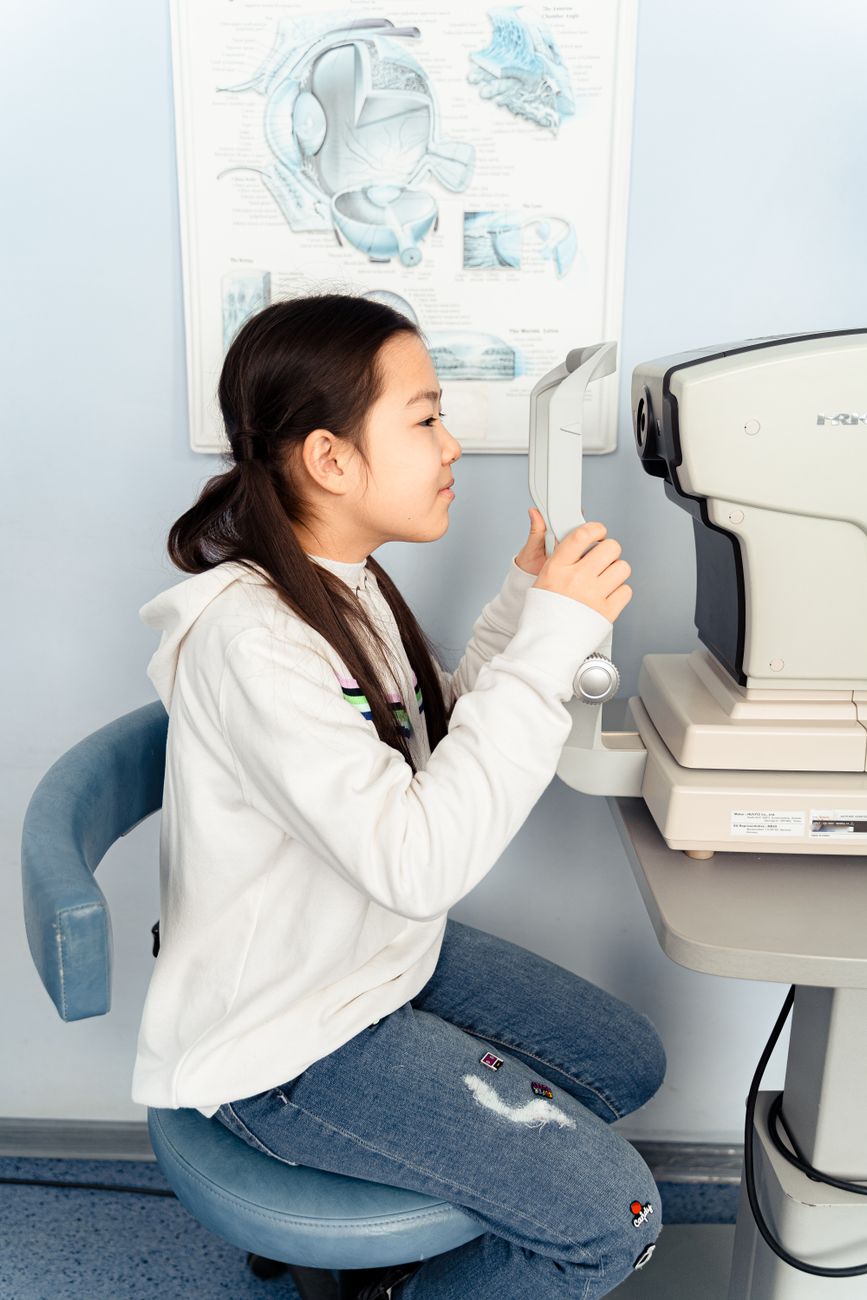
- Vision and hearing. You will read letters of various sizes and listen to sounds from both sides. If you wear glasses, you must wear them for the test. Visual and auditory acuity is essential for reacting to traffic signals and sounds.
- Blood type. A blood sample will be taken from your finger (just one drop) to identify your blood type. Even if you already know your blood type, the procedure is mandatory. This information is recorded on your license and can be vital in an emergency.
- Psychological exam. You will be asked to draw geometric objects, solve mazes, answer personality questions, and draw a person. This evaluation seeks to detect traits that may influence safe driving, such as impulsivity or attention difficulties.
- Reasoning exam. You will answer general knowledge and verbal and mathematical reasoning questions. It evaluates your ability to process information and make quick decisions behind the wheel.
Tip: Stay calm and be honest in your answers. Examiners are trained to interpret results and are not trying to trick you.
Step 4: Register your fingerprint at the beginning and end
The medical center will record your fingerprint at the start and end of each evaluation. This step ensures that the results correspond to the correct person and that the process is traceable. Cooperate with the staff and verify that your fingerprint is recorded correctly both times.
The medical evaluation is entered into the National Driver System, connected online with the MTC. This means that your results will be available for the license process without the need for you to carry additional physical documents.
Step 5: Get your results and process your license
After completing the tests, the medical center will process your results and determine whether you are fit to drive. If the result is fit, you can continue with the process of obtaining, renewing, or upgrading your license. Remember that results are valid for 6 months, so you must complete the process within that period.
If the result includes restrictions, these will be reflected on your license. For example, you may be required to wear corrective lenses. Accept the restrictions and comply with them: they are designed for your safety and that of others.
Once you have the results, gather the documents needed to get a license for the first time and consult the guide on requirements and administrative procedures to complete the process without setbacks.
Frequently asked questions and troubleshooting
What happens if I fail one of the tests?
If you do not pass a test, the medical center will indicate the steps to follow. In some cases, you may need an additional evaluation or treatment before retaking the exam. The medical evaluation is mandatory and its result determines your fitness to drive.
Can I bring someone with me?
Most centers allow a companion to wait in the waiting room, but they cannot enter the evaluation areas. Check with the center before going.
What should I do if I forgot my glasses?
If you need glasses for the vision test, you must bring them. If you forget them, the center may reschedule the test or record a restriction. To avoid setbacks, verify that you have them before leaving home.
Is the exam done fasting?
No, it is not necessary to fast. You can have breakfast normally.
Next steps
With your medical exam passed, the next step is to complete the license process. Make sure your results are valid and that you have all the required documents. If this is your first license, review the guide on required documents. If you already have experience, prepare for the theoretical driving test and the practical driving test. Remember that the 6-month validity is a deadline: organize your time so you do not have to repeat the exam. An illustrative case is that of Juan Pérez, who completed his medical exam without setbacks by following these steps and was able to obtain his license on time.
Do not underestimate the importance of this exam: it is the first road safety barrier and allows you to demonstrate that you are fit to drive responsibly.