Driving Theory Test at Home: How to Create an Ideal Study Environment
Introduction to the Framework
Preparing for the driving theory test can be challenging, especially when studying from home. Lack of a structured environment, distractions, and anxiety can sabotage your concentration. However, there is a proven method to optimize your space and mindset: the AME Framework (Environment, Method, Study). This framework will guide you step by step to transform your home into an effective study center, improve information retention, and boost your confidence for test day.
The AME Framework is based on three fundamental pillars:
- Environment: Organize your physical and digital space.
- Method: Apply active study techniques.
- Study: Plan sessions and evaluate your progress.
Why This Framework Works
The AME Framework combines principles from environmental psychology, learning neuroscience, and time management. Studies show that an organized environment reduces stress and improves concentration by up to 30%. Additionally, active study techniques (like spaced retrieval) increase long-term retention. By integrating these elements, the framework not only helps you memorize traffic rules but also develops sustainable study habits.
The Framework Steps
Step 1: Set up your environment
1.1 Choose the right location
- Select a quiet room with good natural light and ventilation.
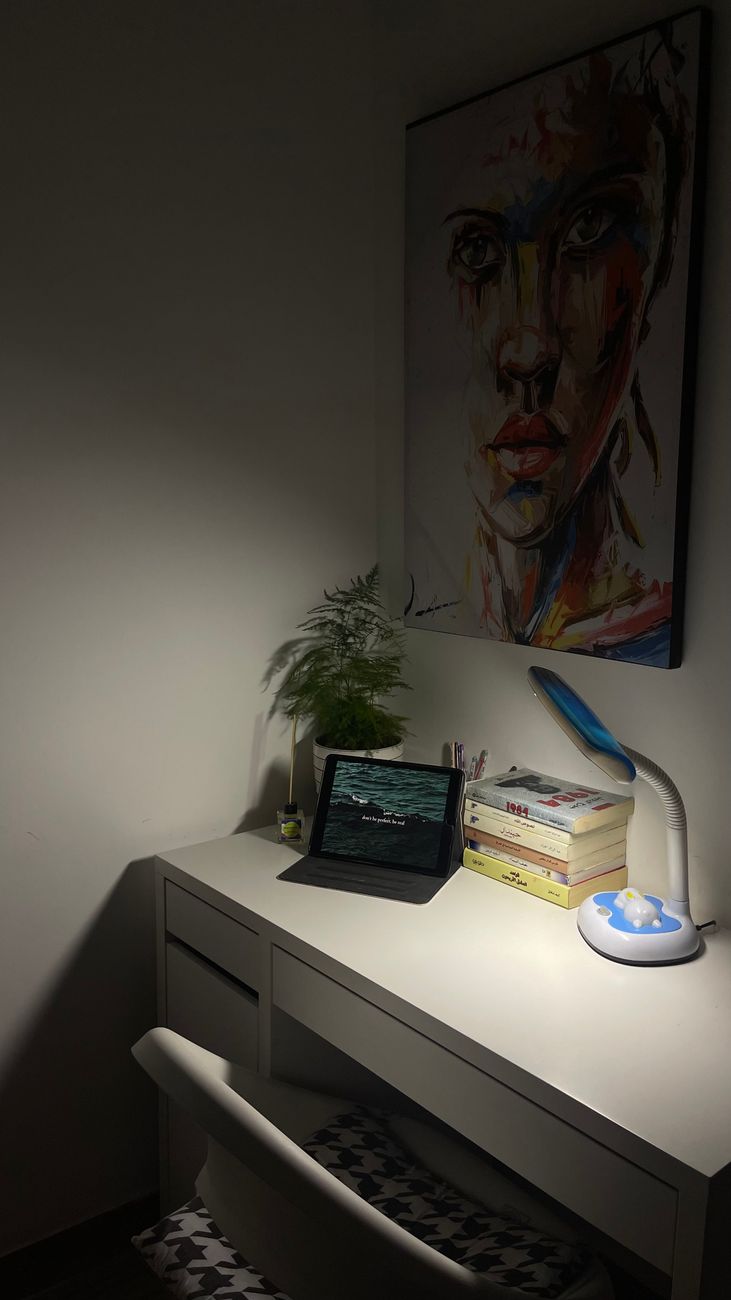
- Avoid studying on the bed or sofa; use a comfortable chair and a desk.
- Keep the area clutter-free: store objects unrelated to study.
1.2 Control distractions
- Turn off mobile notifications or use blocking apps (Forest, Focus To-Do).
- Inform your family/housemates about your study hours.
- Use noise-canceling headphones or soft instrumental music.
1.3 Prepare your materials
- Have on hand: official driving manual, notebook, highlighters, flashcards, and access to online practice tests.
- Organize the desk: leave only essentials to avoid overwhelm.
Step 2: Active study method
2.1 Pomodoro Technique
- Study in blocks of 25 minutes, followed by 5-minute breaks.
- After 4 blocks, take a longer break (15-30 minutes).
- Use a timer to keep pace.
2.2 Active recall
- Instead of rereading, practice with sample questions.
- After studying a topic, write it in your own words.
- Create flashcards with questions on the front and answers on the back.
2.3 Mind maps
- Draw concept maps for traffic signs, priorities, and speed limits.
- Connect main ideas to visualize relationships.
Step 3: Planned study
3.1 Set a schedule
- Dedicate at least 1-2 hours daily to study, 5 days a week.
- Establish a fixed time (e.g., 10:00-12:00) to create a routine.
- Include weekly reviews of previous topics.
3.2 Divide the syllabus
- The theory test typically covers: signs, traffic rules, speed, overtaking, parking, and road safety.
- Assign each week to a thematic block.
3.3 Evaluate your progress
- At the end of each week, take a full practice test (20-30 questions).
- Note your mistakes and review those topics.
- Use timed mock exams to get used to pressure.
How to Apply It
Example weekly schedule
| Day | Activity | Duration |
|---|---|---|
| Monday | Read chapter 1 of the manual (signs). Create flashcards. | 1.5 h |
| Tuesday | Review flashcards with Pomodoro (3 blocks). Take a 10-question test. | 1.5 h |
| Wednesday | Read chapter 2 (rules). Make a mind map. | 1.5 h |
| Thursday | Practice 20 questions from chapters 1 and 2 (alternate). | 1 h |
| Friday | Full mock exam of 30 questions (15 min). Review mistakes. | 1 h |
| Saturday | Active rest: watch educational driving videos. | 30 min |
| Sunday | General review with flashcards and a 20-question test. | 1 h |
Mini-case: Laura, 22 years old
Laura studied for her theory test using the AME Framework. She set up her desk with a desk lamp, a phone stand (using the Focus To-Do app), and all materials at hand. She strictly applied Pomodoro, and after two weeks, her test scores rose from 60% to 85%. She passed the test on the first try.
Common Mistakes to Avoid
- Studying without breaks: Leads to mental fatigue and low retention. Use Pomodoro.
- Just reading: Passive reading is not enough. Combine it with questions.
- Not reviewing mistakes: Mistakes are learning opportunities. Analyze them.
- Studying in bed: Associates bed with sleep, not concentration.
- Overconfidence: Don't underestimate the test; take mock exams until reaching >90%.
Templates/Tools
Weekly planning template
[You can create a table similar to the one above, leaving empty cells for the user to fill.]
Study card example
Front: What is the maximum speed on an urban road with one lane per direction? Back: 50 km/h (unless otherwise signed).
Environment checklist
- Clear desk
- Ergonomic chair
- Adequate lighting
- No annoying noises
- Materials ready
- Phone on silent or study mode
- Visible schedule
Recommended tools
- Anki: To create and review flashcards with spaced repetition.
- Forest: App that plants virtual trees while you focus.
- Google Calendar: Schedule your study blocks.
- Online practice tests: Look for platforms with official DGT questions (if applicable).
Remember, success on the theory test depends on both study quality and consistency. Apply the AME Framework and turn your home into the best place to prepare. Good luck!