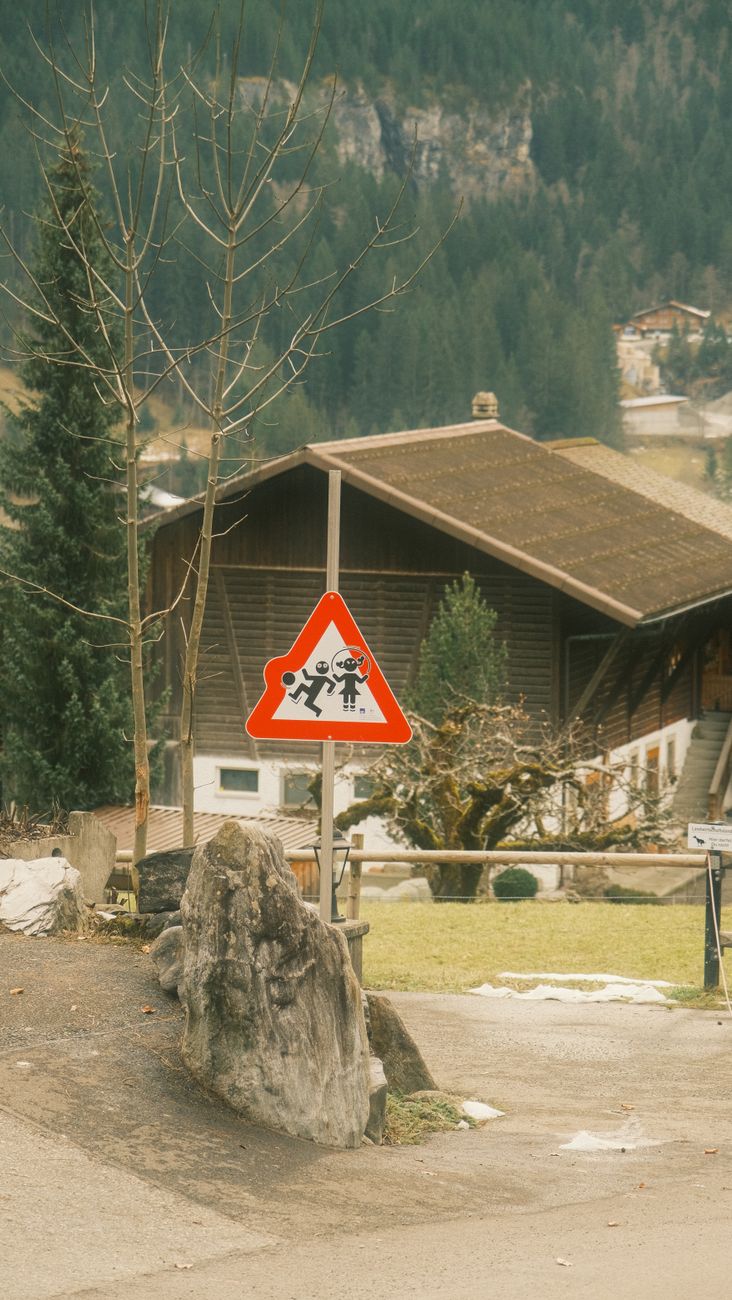
Driving in School Zones: Safety Rules and Special Precautions for Drivers
Driving in school zones requires reducing speed, staying alert to young pedestrians, and respecting specific signs, such as reduced speed limits and pedestrian crossings. Safety in these areas depends on the driver anticipating unpredictable behaviors of children and strictly complying with traffic rules in school zones, which are designed to protect students during entry and exit hours. This article presents a practical framework for driving safely in school zones, an approach that combines defensive driving knowledge with the specific regulations governing these environments.
Why is a specific framework for school zones crucial?
School zones present unique challenges not found in other urban or rural areas. The presence of children, whose behavior is less predictable than that of adults, significantly increases the risk of accidents. According to traffic rules in school zones, drivers must be prepared to stop at any time, as a child may cross the road suddenly. A structured framework helps drivers remember and apply all necessary precautions consistently, thereby reducing the likelihood of incidents.
Furthermore, traffic laws in many countries impose more severe penalties for violations committed in school zones, reflecting the seriousness of the risks. By adopting a systematic approach, drivers not only comply with the law but also contribute to a safer environment for the school community.
The framework: 5 steps for safe driving in school zones
This framework is based on the principles of defensive driving and specific regulations for school zones. It is divided into five practical steps that can be applied on every trip.
Step 1: Reduce speed and be prepared to stop
The first step is to reduce speed when approaching a school zone, especially during designated hours (usually in the mornings and afternoons). Speed limits in these areas are typically 25 km/h or less, and they are clearly indicated by traffic signs. Reducing speed is not only a legal obligation but also a safety measure that gives you more time to react to unforeseen situations. Always keep your foot over the brake and be ready to stop completely if a pedestrian approaches the crosswalk.
This practice is especially critical in school zones with high student traffic, where children may appear between parked vehicles or behind school buses. Defensive driving recommends anticipating these movements, as explained in the article on Defensive Driving: How a Transportation Fleet Reduced Accidents by 45% with Anticipation Techniques.
Step 2: Respect signs and pedestrian crossings
Traffic rules in school zones include specific signs that indicate the proximity of a school, speed limits, and no-passing zones. Pay attention to "School Zone" signs and flashing lights that indicate active hours. At pedestrian crossings, you must yield to pedestrians, even if there is no traffic light. Drivers must come to a complete stop and wait for students to cross safely.
Additionally, it is important to respect the signals of crossing guards who often help children cross the street. These officers have the authority to stop traffic, and their indication takes priority over general traffic rules.
Step 3: Avoid distractions and maintain full attention
In a school zone, any distraction can be fatal. Turn off your mobile phone, adjust the radio before entering the zone, and avoid eating or drinking while driving. Your attention must be completely on the road and on pedestrians. Children may act impulsively, and a second of distraction can be enough to miss a child running out between cars.
Safety in school zones largely depends on the driver's ability to ignore irrelevant stimuli and focus on the task of driving. This is a skill that develops with practice and is reinforced with defensive driving techniques. To improve your concentration, you can review the anticipation approach mentioned in the article on Road Safety and Driving: How a Transportation Company Reduced Accidents by 40%.
Step 4: Be alert to school buses and their signals
School buses have special rules that drivers must respect. When a school bus is stopped with flashing red lights and the stop arm deployed, drivers in both directions must stop and not pass, except on divided highways with a median barrier. This rule exists to protect children getting on or off the bus.
Maintain a safe distance behind a school bus and be prepared for children to cross the street immediately after getting off. Drivers should only resume driving when the bus turns off its lights and retracts its stop arm. This precaution is especially important in residential areas near schools.
Step 5: Plan your route and schedule in advance
An effective way to avoid risks is to plan your route to pass through school zones outside peak entry and exit hours, if possible. If you cannot avoid driving during those times, make sure you have enough time so you are not in a hurry. Rushing can lead to speeding or risky decisions.
Additionally, familiarize yourself with the locations of school zones in your area and the specific times they are active. This information is usually available on your local traffic department's website. Knowing them allows you to anticipate traffic conditions and adjust your driving accordingly.
How to apply this framework in your daily routine
To apply this framework effectively, make it a habit. Before each trip, mentally review the five steps. As you approach a school zone, say to yourself: "I reduce speed, respect signs, no distractions, alert to buses, and with enough time." This self-affirmation will help consolidate safe behaviors.
You can also share this framework with other drivers in your family or community. By spreading these practices, you contribute to creating a culture of safety in school zones that benefits everyone.
To reinforce your learning, you can look at examples of how defensive driving techniques have reduced accidents in other contexts, such as the Mountain Road Driving: Techniques for Curves and Slopes - A Success Case, which illustrates the importance of adapting driving to specific conditions.
Examples and case studies
Example 1: A driver anticipates an unexpected crossing
Maria drives through a school zone at a speed of 25 km/h, respecting the limit. Approaching a pedestrian crossing, she notices a child quickly approaching the edge of the sidewalk. Although the traffic light is green for vehicles, Maria decides to brake gently and be prepared to stop. At that moment, the child steps onto the street without looking. Thanks to her reduced speed and readiness, Maria stops in time, avoiding an accident. This example shows how anticipation and speed reduction can prevent collisions.
Example 2: The danger of distractions
A driver checking his phone while passing through a school zone does not see a student about to cross. The driver continues at a speed higher than permitted and almost hits the girl. This incident, although not resulting in injuries, highlights the importance of eliminating distractions. Driving in school zones requires full attention to react in time to unpredictable movements of children. This hypothetical case demonstrates why traffic rules in school zones prohibit the use of mobile devices and require drivers to be completely focused.
Common mistakes to avoid
- Speeding: Even if you are in a hurry, never exceed the speed limit in a school zone. Fines are higher and the risk of accidents is greater.
- Not coming to a complete stop at pedestrian crossings: Many drivers do a "rolling stop," which is dangerous and illegal. You must come to a complete stop and ensure no pedestrians are present before proceeding.
- Passing other vehicles in a school zone: Most school zones have a solid yellow line, which prohibits passing. Even if there is no solid line, it is better not to pass due to the high risk of encountering pedestrians.
- Ignoring crossing guards: Crossing guards have the authority to stop traffic. Ignoring their signals can result in fines and, more importantly, an accident.
- Driving distracted: Any distraction, from adjusting the radio to eating, reduces your reaction ability. In a school zone, that can be fatal.
Useful tools and templates
You can create a checklist for your dashboard that includes the five steps. For example:
- Reduce speed to 25 km/h.
- Observe school zone signs and crossings.
- Keep your phone out of hand.
- Be alert for school buses.
- Leave early to avoid rushing.
You can also use a navigation app that alerts you when you approach a school zone, though you should not rely solely on technology. Key is driver awareness.
Conclusion
Safety in school zones is a shared responsibility among drivers, pedestrians, and authorities. By applying this five-step framework, you not only comply with traffic rules but also contribute to protecting students. Remember that every time you drive through a school zone, you have the power to prevent accidents. Reducing speed, eliminating distractions, and respecting signs are simple but powerful actions. With practice, these behaviors will become habits that make your travels safer for everyone.
To delve deeper into techniques that complement this framework, we invite you to read about how defensive driving can reduce accidents in different conditions, as detailed in the article How to Drive in Rain: A Case Study on Reducing Accidents in Wet Conditions. Additionally, if you travel frequently, remember that night driving also presents additional challenges; check out the Case Study: How Implementing Safe Night Driving Measures Reduced Accidents by 42% to expand your knowledge.
The responsibility of a driver does not end with compliance with the law; it extends to the ethics of caring for the most vulnerable. School zones are a reminder that driving is a social act that requires consideration and caution. Adopt this framework and become an exemplary driver in your community.