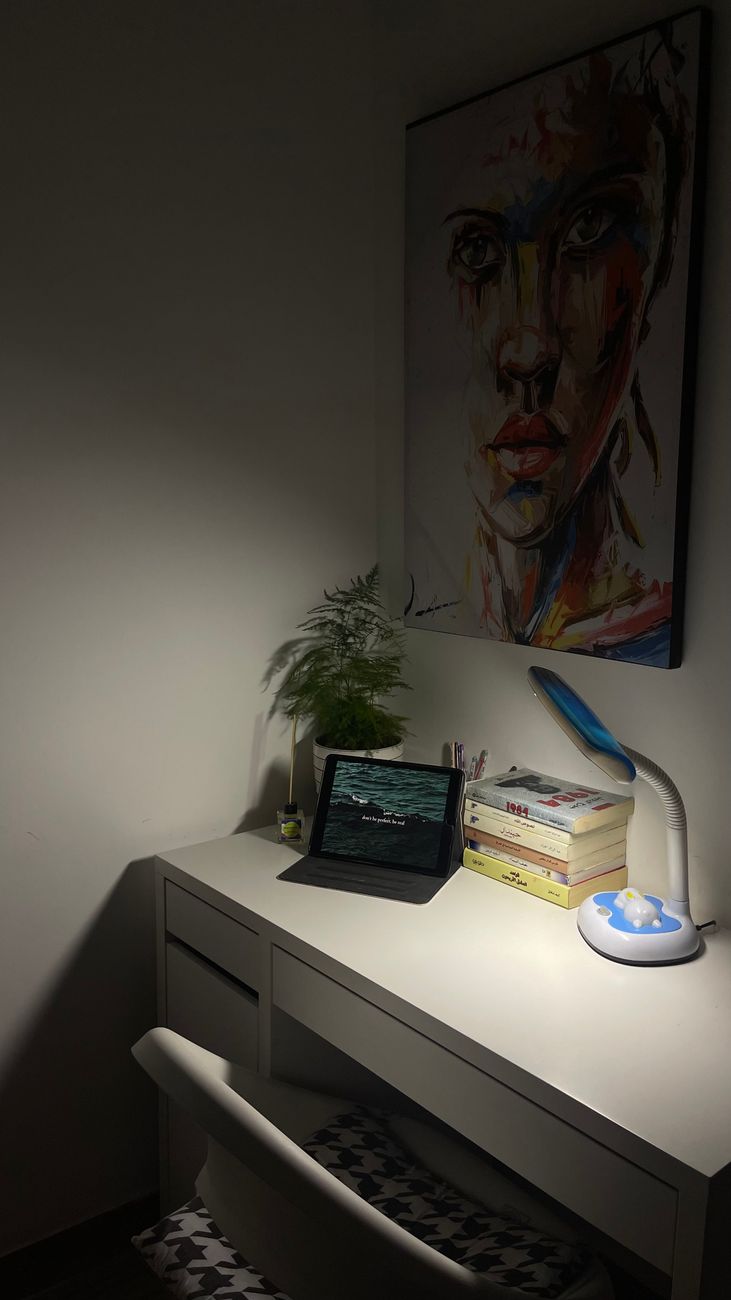
Driver's License Written Test at Home: How to Create an Ideal Study Environment
Preparing for your driver's license written test from home is entirely possible, but only if you design a study environment that eliminates distractions and enhances your concentration. The key is not to study more hours, but to create a space and routine that tells your brain: "it's time to learn." This article presents a practical five-step framework to transform any corner of your home into an effective study hub.
Introduction to the Framework: The 5 Senses Methodology
Imagine your brain as an engine that needs the right fuel to perform at its best. When studying for the driver's license written test, that fuel is information, but performance largely depends on environmental conditions. The framework I propose is called "The 5 Senses Methodology," because it addresses each of your senses to optimize your focus:
- Sight: Lighting and visual order
- Hearing: Noise control and background sounds
- Touch: Physical comfort and ergonomics
- Smell: Aromas that stimulate concentration
- Taste: Hydration and snacks that provide energy without distraction
This method not only helps you create an ideal study environment, but also prepares you to adopt a consistent and effective routine. Unlike generic advice like "find a quiet place," this framework gives you concrete actions for each sense.
Why Does This Framework Work?
The science of learning supports the idea that our brains associate places with mental states. If you always study in the same spot, under the same conditions, your mind starts to activate "study mode" automatically upon entering that space. This phenomenon is called contextual learning and is one of the reasons a fixed study environment improves retention.
Additionally, by eliminating distractions, you reduce cognitive load, allowing your brain to fully focus on the exam material. When your environment is predictable and controlled, you can enter a state of deep concentration more quickly and maintain it longer.
The 5 Senses Methodology works because it is comprehensive: it doesn't limit itself to a single variable, but considers all stimuli that affect your attention. By optimizing each sense, you create a study environment that is not only comfortable but also designed to maximize your performance on the driver's license written test.
The 5 Steps of the Framework: How to Implement It
Step 1: Optimize the Sense of Sight
Lighting is the most important visual factor. Natural light is ideal because it regulates your circadian rhythm and improves alertness. If you study at night, choose a bright white light that doesn't cast shadows on your materials. Avoid flickering fluorescent light, which can cause eye strain and headaches.
Visual order: A clean and organized desk reduces visual distraction. Put away any items not related to studying: empty coffee cups, magazines, or your phone. A clutter-free space helps you maintain focus because your brain doesn't have to process unnecessary information.
Use of colors: Cool colors like blue or green can increase productivity, while warm colors like red or orange can generate energy but also anxiety. Paint your study area with neutral or cool tones, or add decorative elements in these colors.
Step 2: Control the Sense of Hearing
Noise is one of the biggest distractions when studying at home. Traffic, television, family conversations, or the sound of the washing machine can interrupt your mental flow. To control hearing, you have several options:
- Absolute silence: If your home is quiet, take advantage and study in silence. It's the most effective option for memorizing facts.
- Instrumental music: If silence distracts you, try classical or ambient music without lyrics. Music with lyrics interferes with reading comprehension.
- White noise or nature sounds: Apps and websites offer sounds of rain, waves, or wind that mask background noise and create a relaxing atmosphere.
Use noise-cancelling headphones: If you can't control external noise, noise-cancelling headphones are a smart investment. They isolate sound and let you choose your own sound environment.
Step 3: Adjust the Sense of Touch
Physical comfort is essential for maintaining concentration over long periods. An ergonomic chair that supports your lower back and allows your feet to rest flat on the floor reduces fatigue and pain. Adjust the height of your screen or book so it's at eye level, avoiding neck strain.
Temperature: The ideal study temperature is between 68 and 72 degrees Fahrenheit (20-22°C). If it's too hot, you tend to feel sleepy; if it's cold, it's hard to concentrate. Wear comfortable clothes and have a jacket on hand just in case.
Materials: Have everything you need within reach: pens, paper, highlighters, and your study materials. Getting up constantly to find something interrupts your flow.
Step 4: Incorporate the Sense of Smell
Aromas can directly influence your mood and concentration. Aromatherapy is not a fad: certain scents, like peppermint, rosemary, or lemon, have been shown to improve memory and mental alertness. You can use a diffuser with essential oils or simply place a scented candle (as long as you watch it).
Associative aromas: Choose a specific scent for studying and use it only when you prepare for the exam. Over time, your brain will associate that smell with the state of concentration, making it easier to enter study mode anywhere.
Step 5: Care for the Sense of Taste
Hydration is fundamental: your brain needs water to function optimally. Keep a water bottle on your desk and drink regularly.
Choose healthy snacks: Avoid high-sugar foods that cause energy spikes followed by crashes. Opt for nuts, fruits, or yogurt, which provide sustained energy. Coffee in moderation can improve alertness, but don't overdo it, as it can cause anxiety.
Plan your meals: Studying hungry distracts you, but studying right after a heavy meal makes you sleepy. Schedule breaks for light snacks that don't interfere with concentration.
How to Apply the Framework: Daily Routine
Now that you know the steps, it's time to apply them in a daily routine. Here's a workflow that integrates the framework into your exam preparation:
- Choose your space: Designate a fixed study spot, ideally with natural light and away from high-traffic areas in your home.
- Prepare the environment: Before starting, open the curtains, adjust the temperature, turn on your diffuser, and organize your desk. This should take less than 10 minutes.
- Set study blocks: Divide your time into 25-45 minute blocks with 5-10 minute breaks. During breaks, stand up, stretch, and drink water.
- Alternate topics: If you have several topics to study, alternate between them in each block to maintain interest and long-term memory.
- Evaluate your progress: At the end of each session, do a mental summary of what you learned or use self-assessment techniques, like those found in How to Know If You're Ready for the Driver's License Written Test.
This routine not only creates an ideal study environment but also builds habits that will lead you to pass the exam with confidence.
Practical Example: A Day of Studying at Home
Maria is a student who works and studies for the written test at home. Her space is a corner of the bedroom, with a small desk and an uncomfortable chair. Following the framework, she transformed her corner:
- Sight: She placed a desk lamp with warm light and emptied the desk of decorations.
- Hearing: She downloaded a white noise app and used noise-cancelling headphones to isolate herself from the family TV.
- Touch: She bought a lumbar cushion for her chair and adjusted the screen height with a stack of books.
- Smell: She bought a peppermint essential oil diffuser and turned it on every time she studied.
- Taste: She had a water bottle and a bowl of almonds on the desk.
With these changes, Maria noticed she could concentrate for 30 minutes straight without distraction, and her retention of traffic signs improved noticeably. Her next step was to simulate the exam online, as described in How to Simulate the Written Test Online: Tools and Tips, to evaluate her progress.
Common Mistakes When Creating a Study Environment
Even with a clear framework, it's easy to fall into mistakes that undermine your efforts. Here are some of the most common:
- Studying in bed: We associate the bed with rest, so studying there reduces alertness and increases the chances of falling asleep. Always use a desk or table.
- Having your phone nearby: Even if it's to check the dictionary, the temptation to check notifications is huge. Leave your phone in another room or on airplane mode during study blocks.
- Ignoring comfort: An uncomfortable chair will make you shift positions constantly, breaking your concentration. Investing in a good chair or cushions is worth it.
- Lack of routine: Creating an ideal environment once isn't enough. You need consistency. If you study at irregular hours, your brain doesn't prepare to learn.
- Multitasking: Studying while watching TV or listening to a podcast with dialogue divides your attention. Even if you think you can, you're not that good at doing two things at once.
Avoiding these mistakes will allow you to get the most out of your study time at home.
Templates and Tools to Maintain the Ideal Environment
To make this framework sustainable, I propose some templates and tools you can use:
Environment preparation checklist: Create a list you verify before each session:
- Adequate lighting
- Clean and organized desk
- Comfortable and ergonomic chair
- Headphones or earplugs
- Diffuser or scented candle lit
- Full water bottle
- Healthy snacks at hand
- Phone in another room or on airplane mode
Session planning template:
| Time | Activity | Duration | Break |
|---|---|---|---|
| 9:00 | Block 1: Traffic signs | 30 min | 5 min |
| 9:35 | Block 2: Rules of the road | 30 min | 10 min |
| 10:15 | Block 3: Vehicle signals | 30 min | 5 min |
| 10:50 | Block 4: Safety regulations | 30 min | - |
You can print this template and fill it in daily. Additionally, if you study in a group, we recommend reading How to Organize an Effective Study Group for the Written Test to complement your individual preparation.
How to Handle Nerves and Review Effectively
The study environment is only part of the preparation. Once you have an adequate space, you also need to manage your emotional state and review techniques.
Managing nerves: Anxiety before the exam is normal, but you can reduce it by incorporating relaxation techniques into your routine. Deep breathing, brief meditation, or listening to calm music at the end of each session will help you stay calm. Check out our article on How to Manage Nerves Before the Driver's License Written Test for more strategies.
Effective review: Spaced repetition is a proven technique: review material at increasing intervals (1 day, 3 days, 1 week). You can also create flashcards with practice questions. To learn more, read How to Review Effectively Before the Driver's License Written Test.
Conclusion: Your Study Environment is the Foundation of Success
Creating an ideal study environment at home is not a luxury; it's a necessity if you want to pass the driver's license written test with confidence. The 5 Senses Methodology offers a practical and memorable framework to optimize your surroundings and maximize your concentration. By implementing these steps, you not only improve retention but also build habits that will serve you in future studies.
Start today: choose a place, adjust the lighting, control the noise, make it comfortable, and add aromas that motivate you. With consistency, you'll soon notice a big difference in your preparation. And remember, the study environment is just the first step; pairing it with review techniques and stress management will lead you to success. Your driver's license awaits!