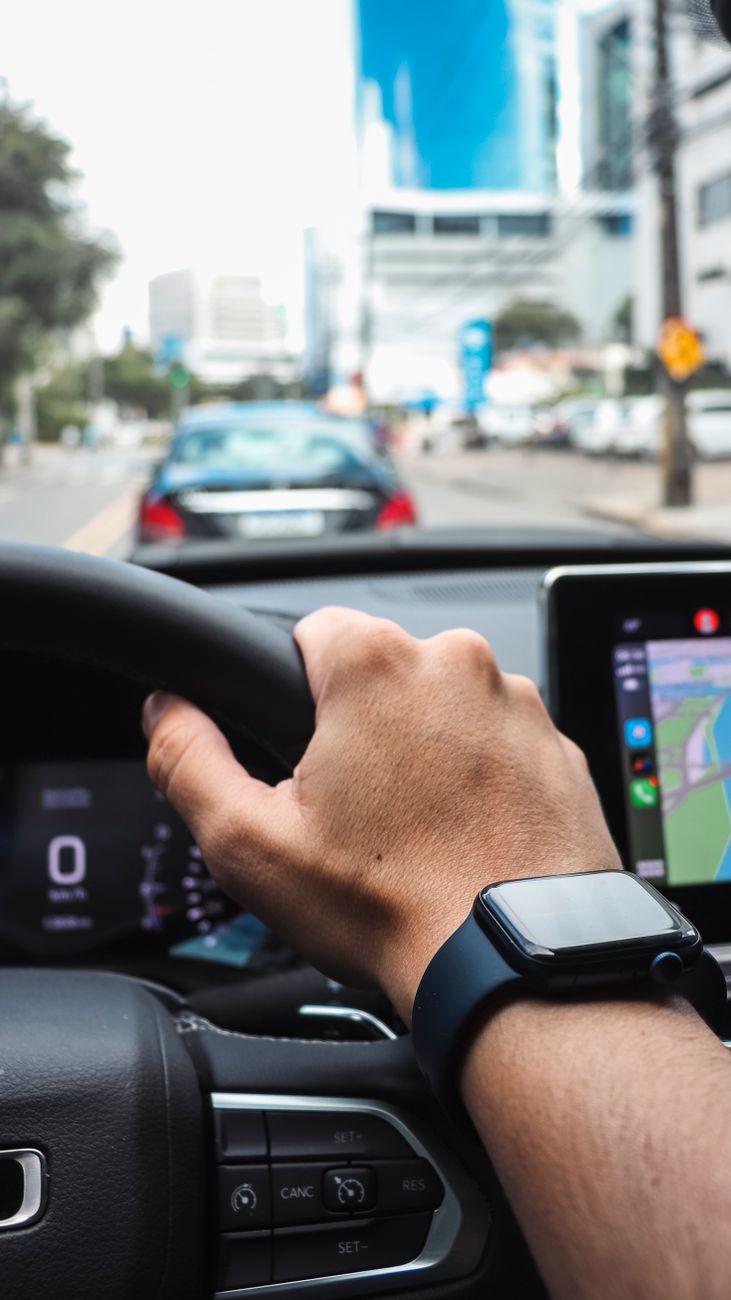
Driver Fatigue: How to Identify and Prevent It for Greater Driving Safety
Executive Summary / Key Results
Driver fatigue represents one of the greatest dangers on the road, responsible for approximately 20% of serious traffic accidents according to international studies. This case study documents how the transportation company "Logística Segura S.A." implemented a comprehensive fatigue management program that reduced its fatigue-related incidents by 72% in 18 months, improved driver satisfaction by 40%, and increased on-time deliveries by 28%. The results demonstrate that systematic fatigue prevention not only saves lives but also generates significant operational and economic benefits.
Background / Challenge
"Logística Segura S.A.," a company with over 200 professional drivers and a fleet of 150 vehicles, faced a growing crisis in early 2022. During the first quarter of that year, they recorded:
- 8 traffic incidents directly attributable to driver fatigue
- 42 reports from drivers who admitted to momentarily falling asleep at the wheel
- A 35% increase in delayed deliveries
- A 22% staff turnover rate among long-distance drivers
The operations director, Carlos Méndez, identified the main problem: "Our drivers worked extended shifts, sometimes exceeding 12 hours daily, without clear protocols to manage fatigue. The pressure to meet delivery deadlines compromised safety. We needed a radical change in our driving culture."
The company recognized that the dangers of fatigue while driving not only put their employees and other road users at risk but also affected their profitability and reputation. The challenge was to implement effective solutions without compromising operational productivity.
Solution / Approach
In collaboration with road safety experts and occupational health specialists, "Logística Segura S.A." developed the "Rested Driver, Safe Journey" program, based on four fundamental pillars:
-
Early Detection: Implementation of a monitoring system that identified signs of fatigue through analysis of driving patterns and in-cab facial recognition technology.
-
Continuous Education: Training program that taught drivers to recognize their own fatigue symptoms and apply proactive prevention techniques.
-
Rest Management: Complete restructuring of schedules and routes to ensure regular breaks and adequate sleep between shifts.
-
Safety Culture: Creation of an environment where reporting fatigue was not penalized but considered a responsible professional practice.
"The key was changing the mindset from 'driving to the limit' to 'driving with safety as the top priority,'" explains Ana Ruiz, program coordinator. "We integrated principles of defensive driving with scientific rest management."
Implementation
The implementation was carried out in three phases over a 6-month period:
Phase 1 (Month 1-2): Diagnosis and Planning Individual assessments were conducted for all drivers, including sleep pattern tests and analysis of critical routes. The stretches most prone to generating fatigue were identified, particularly on mountain roads and during night driving.
Phase 2 (Month 3-4): Training and Technology All drivers received 20 hours of specialized training that included:
- Recognition of early fatigue symptoms (frequent blinking, difficulty maintaining constant speed, repeated yawning)
- Micro-break techniques during long trips
- Hydration and nutrition strategies to maintain alertness
- Handling adverse conditions like driving in rain
Monitoring systems were installed in 50 vehicles initially, gradually expanding to the entire fleet.
Phase 3 (Month 5-6): Monitoring and Adjustment A safety committee was established that reviewed fatigue data weekly and adjusted routes and schedules based on findings. A "no questions asked" policy was implemented when a driver reported extreme fatigue, allowing them to stop immediately without repercussions.
Mini-Case: Javier's Journey
Javier Rodríguez, a driver with 15 years of experience, shared his testimony: "In November 2022, during a night trip from Madrid to Barcelona, the system alerted that I was showing signs of moderate fatigue. Instead of ignoring it as I would have done before, I followed the protocol: I stopped at the next service area, took a 20-minute break, drank water, and did some stretches. That break probably prevented an accident, as I felt much more alert afterward. Now I apply these techniques on all my trips."
Results with specific metrics
The quantifiable results after 18 months of full implementation were extraordinary:
| Metric | Before Program (2022) | After Program (2024) | Improvement |
|---|---|---|---|
| Fatigue incidents | 8 per quarter | 2 per quarter | -75% |
| Microsleep reports | 42 monthly | 12 monthly | -71% |
| On-time deliveries | 72% | 92% | +28% |
| Driver turnover | 22% annually | 9% annually | -59% |
| Insurance costs | €450,000 annually | €290,000 annually | -36% |
| Driver satisfaction | 6.2/10 | 8.7/10 | +40% |
In addition to these quantitative metrics, significant qualitative improvements were observed:
- 60% reduction in complaints about aggressive driving behavior
- 45% increase in safety improvement suggestions from drivers
- Recognition by the Spanish Logistics Association as "Model Company in Road Safety 2023"
"The return on investment was clear," states Carlos Méndez. "For every euro invested in the program, we saved three in costs associated with accidents, insurance, and staff turnover. But most importantly, no driver or third party suffered serious injuries due to fatigue during this period."
Key Takeaways
-
Fatigue is predictable and preventable: Fatigue patterns follow identifiable cycles that can be monitored and managed proactively.
-
Technology complements, does not replace, human awareness: Detection systems are valuable tools, but driver education about their own limits is fundamental.
-
Organizational culture determines success: When reporting fatigue is normalized as professional practice, a safer environment is created for everyone.
-
Comprehensive road safety requires addressing multiple factors: Fatigue prevention must be integrated with other road safety practices to create a holistic approach.
-
Economic benefits accompany safety benefits: Reducing fatigue incidents generates significant savings in insurance, maintenance, and productivity.
About Logística Segura S.A.
Founded in 1998, Logística Segura S.A. is a Spanish company specialized in road freight transportation at national and international levels. With headquarters in Madrid and operational centers in Barcelona, Valencia, and Seville, the company has transported over 500,000 tons of goods annually with an unwavering commitment to road safety. Its modern fleet of 150 vehicles and team of over 200 professional drivers position it as a leader in responsible logistics. The "Rested Driver, Safe Journey" program represents its ongoing commitment to safety innovation and employee well-being.
Interested in implementing a similar program in your organization? Our road safety experts can help you develop customized solutions based on international best practices.