Definitive Guide: Where and How to Take the Medical Exam for a Driver's License
The medical exam to obtain or renew your driver's license is performed exclusively at Driver Recognition Centers (CRC) authorized by the Directorate General of Traffic (DGT). To take it, you must locate the nearest center, make an appointment if necessary, and go with your identification document. This process includes psychotechnical and medical tests (vision, hearing, and general condition) that determine your fitness to drive.
Introduction to the Framework: The Efficient Path to Your Medical Certificate
Imagine you need to renew your driver's license. You know you must pass a medical exam, but where do you take it? What centers are authorized? How do you get an appointment? If you don't have a clear answer, you're not alone. Every year, thousands of drivers waste time and money because they don't know the process. This article presents a practical framework, based on DGT regulations, to take your medical exam efficiently, without setbacks, and with complete peace of mind.
Why This Framework Works
This framework is based on official DGT requirements and the experience of drivers who have gone through the process. The key is to understand that this is not a simple bureaucratic procedure, but a process with defined steps that you can master. By following the method I present, you'll avoid common mistakes like going to an unauthorized center, forgetting documents, or not preparing for the tests. The DGT strictly regulates these centers, so the information provided is reliable and up-to-date.
The Steps of the Framework: A 4-Phase Process
Step 1: Find an Authorized Medical Center (CRC)
The first step is to identify Driver Recognition Centers (CRC). These are the only places where you can get a valid medical certificate for your license. The DGT authorizes these centers, which can be private clinics or mobile units, but they must always be approved.
To find them, you can:
- Visit the DGT website, where there is an official center locator.
- Search online for "medical center for driver's license + your city."
- Ask at driving schools, as they often work with nearby centers.
Important: Not all general medical centers are authorized. Only CRCs can issue the medical fitness certificate. Verify that the center has current DGT authorization before booking an appointment.
Step 2: Make an Appointment
Once you have a list of nearby centers, determine if you need to book an appointment. Due to the pandemic, protocols have changed, and many centers require appointments to control capacity. Others still allow walk-ins, but this is becoming less common. Therefore, it's always best to call or book online.
When booking, have on hand:
- Your identification document (DNI, NIE, or passport).
- If you're renewing, your previous license.
- A contact number.
Choose the center that offers the earliest date and is convenient for you. The appointment usually lasts between 20 and 30 minutes.
Step 3: Attend Your Appointment with the Necessary Documents
On the day of your appointment, arrive early. Bring with you:
- Original identification document (DNI, NIE, or passport).
- Glasses or contact lenses if you use them, as you'll have a vision test.
- Information about your medical history: relevant illnesses, ongoing treatments, current medications, etc. This is necessary for the doctor to assess potential limitations.
- Application form if the center requires it (some download it from their website).
It's crucial to bring your identification document; without it, you won't be able to take the test. Additionally, if you have any medical conditions, don't hide them; the goal is not to reject you, but to detect limitations that could affect driving.
Step 4: Take the Tests and Get Your Certificate
At the center, you'll undergo several tests. Don't worry; they are not complex examinations. The DGT requires a medical evaluation that includes:
- Psychotechnical tests: assess your reaction time, visuomotor coordination, speed anticipation, and decision-making.
- General medical check: measures pulse, blood pressure, and evaluates your overall health.
- Hearing test: to verify that you hear correctly.
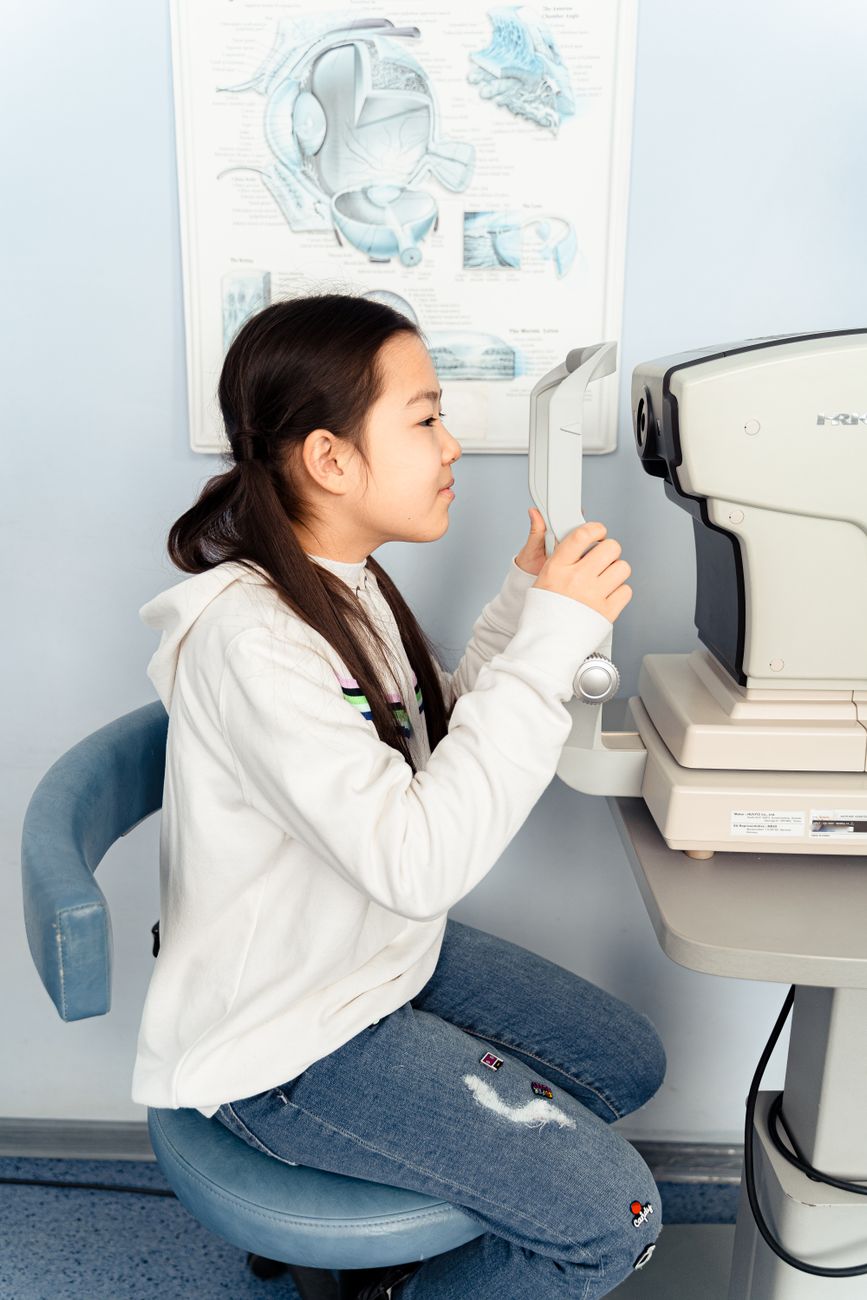
- Vision test: checks visual acuity (with or without correction), visual field, and glare adaptation. The most common test is the Snellen chart, although some centers add contrast or night vision tests.
Afterwards, the center will give you a report. If you are fit, you'll receive the medical certificate. If there are any limitations, they'll indicate the relevant restrictions (e.g., wearing glasses). In most cases, the center electronically sends the documentation to the DGT, so you won't have to do anything else.
How to Apply This Framework to Your Situation
This framework is flexible and adapts to different scenarios:
- First license: you need the medical certificate as part of the requirements to obtain your license. Follow the steps in advance to avoid delaying your license. If you need more info on other procedures, check our complete guide on requirements and administrative procedures.
- Renewal due to expiration: the process is similar, but make sure to do it before your license expires to avoid fines.
- Renewal due to data changes: if you change address or name, you'll need a new medical certificate. The steps are the same.
Examples or Practical Cases
Ana's Case: Ana needed to renew her license. She searched online for "medical exam for driver's license where" and found a center two blocks from her house. She called to make an appointment and got one for the next day. She brought her DNI and her glasses. At the appointment, they took her blood pressure, gave her a vision test with an optotype, and a brief psychotechnical test on a computer. In 15 minutes, she walked out with her certificate in hand. The center sent the documentation electronically to the DGT. The following week, she received her new license at home. Ana unknowingly followed our framework, which is why everything was so quick.
This example shows that if you know what to expect, the process is straightforward. There's no need to fear the medical exam. Preparation and choosing the right center are key to a stress-free experience.
Common Mistakes to Avoid
- Going to an unauthorized center: Any doctor can do a check-up, but only authorized CRCs issue valid certificates. Always check authorization.
- Forgetting your identification document: Without your DNI, NIE, or passport, you can't take the test.
- Not bringing your glasses or contact lenses: If you need them, the vision test will reflect lower acuity, which could result in an unnecessary restriction.
- Hiding medical information: The goal is to detect limitations, not punish you. Being honest will save you from legal and safety issues.
- Not making an appointment: At most centers, showing up without an appointment will result in a long wait or being turned away. Always call ahead.
Useful Templates and Tools
Pre-appointment Checklist Template
- I have confirmed the center is a DGT-authorized CRC.
- I have made an appointment and noted it in my calendar.
- I will bring my original DNI/NIE/passport.
- I will bring my glasses or contact lenses (if I use them).
- I have reviewed my medical history and noted my current medications.
- I know the location of the center and have calculated travel time.
Frequently Asked Questions
Can I get the medical certificate at a public hospital? In some countries, yes. But in Spain, tests for a driver's license are only performed at private centers authorized by the DGT. A public hospital does not issue this certificate.
How long is the medical certificate valid? Validity can vary depending on age and condition. Typically, it is renewed every 10 years until age 65, then every 5 years or even more frequently. Check with the DGT for your specific case.
Can I take the medical exam in any autonomous community? Yes, any authorized center in Spain is valid. However, note that some regions may have additional requirements.
How Does This Relate to Other License Procedures?
The medical exam is just one of the steps to obtain or renew your license. For a complete overview, I recommend reading about the documents needed to get a license for the first time, the theory test, and the practical test. You can also see a success story of someone who already went through this process in our analysis of the medical exam.
Conclusion: Drive with Confidence
Taking the medical exam for your driver's license is a simple procedure if you follow a clear process. Remember: find an authorized center, book an appointment, bring the necessary documents, and be honest during the tests. This exam is not an obstacle, but a guarantee that you are fit to drive safely. Don't leave it to the last moment; plan ahead and avoid unnecessary stress. If you have any questions, always check the official DGT website or call your recognition center. With this framework, you'll be ready to get your certificate and continue on the road with total peace of mind.
Did you find this guide helpful? Share it with other drivers who are going through the process.


