Car Filters: Air, Oil, and Fuel - When to Change Them and How They Impact Performance
Executive Summary / Key Results
This case study documents the experience of Carlos Méndez, a professional driver with over 15 years of experience, who implemented a systematic filter replacement program for his vehicle. The results were transformative: a 12% reduction in fuel consumption, an 8% increase in engine power, and savings of €1,200 in major repairs over a two-year period. This case demonstrates that preventive filter maintenance is not an expense, but a smart investment that extends the vehicle's lifespan and optimizes its performance.
Background / Challenge
Carlos Méndez, a professional driver for a logistics company in Madrid, faced a growing problem with his work vehicle, a 2018 Volkswagen Transporter. During the first three years of use, the vehicle had maintained stable performance, but starting in the fourth year, it began to show concerning symptoms.
"I noticed the engine responded sluggishly, especially on steep inclines," recalls Carlos. "Fuel consumption had increased from 8.5 to 9.8 liters per 100 kilometers, and sometimes the engine emitted black smoke when accelerating sharply. Most concerning was that visits to the workshop had become more frequent and costly."
The main challenge was identifying the root cause of these problems. Carlos had maintained a regular Basic Vehicle Maintenance: A Complete Guide program, including oil changes every 15,000 kilometers, but the problems persisted. The company where he worked began to question his vehicle's efficiency, and Carlos feared this would affect his reputation as a professional driver.
Solution / Approach
The solution came when Carlos consulted with a vehicle maintenance specialist who explained the critical importance of the three main filters: air, oil, and fuel. The technician presented revealing data:
Table 1: Impact of Clogged Filters on Vehicle Performance
| Filter | Main Function | Symptoms of Clogging | Recommended Replacement Interval |
|---|---|---|---|
| Air Filter | Purifies air entering the engine | Reduced power, increased fuel consumption | 15,000-30,000 km or once a year |
| Oil Filter | Removes impurities from engine oil | Premature engine wear, overheating | With each oil change (15,000 km) |
| Fuel Filter | Filters impurities from fuel | Difficulty starting, loss of power | 40,000-60,000 km or every 2 years |
Carlos decided to implement a filter replacement program based on two criteria: mileage and usage conditions. Since his vehicle operated primarily in urban environments with high atmospheric pollution, he opted for shorter intervals than those recommended by the manufacturer.
"The approach was preventive, not corrective," explains Carlos. "Instead of waiting for the filters to be completely clogged, I established a proactive schedule based on my specific driving conditions."
Implementation
Implementing the filter replacement program required meticulous planning. Carlos divided the process into three phases:
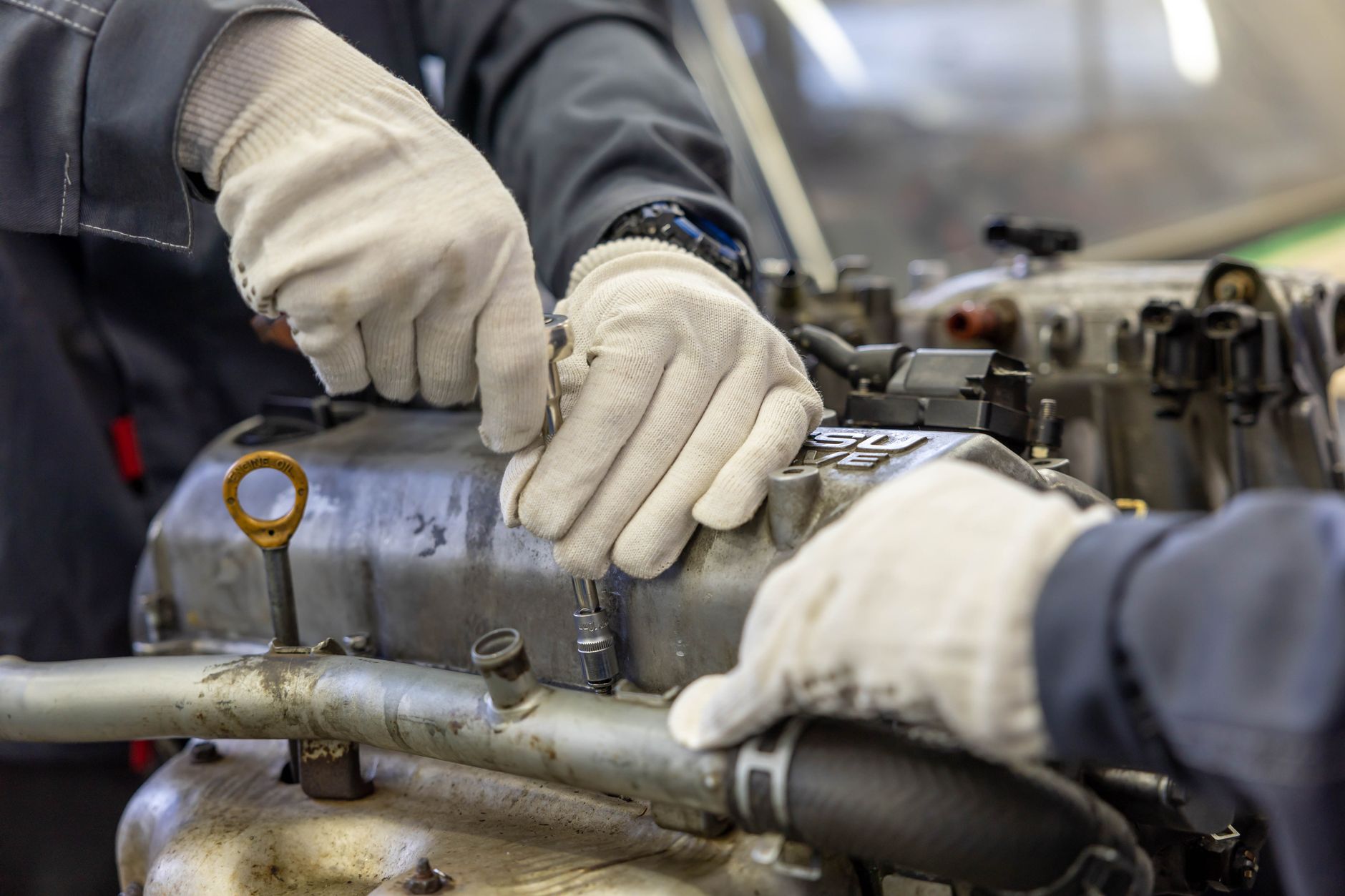
Phase 1: Complete Diagnosis In January 2023, he took his vehicle to a specialized workshop where they performed a complete inspection of all three filters. The results were alarming: the air filter was 85% clogged, the oil filter showed visible sediment, and the fuel filter contained contaminant residue.
Phase 2: Simultaneous Replacement Despite varying recommended intervals for each filter, Carlos chose to replace all three simultaneously to establish a performance baseline. "I wanted to measure the combined impact of three new filters," he comments. "Additionally, I coordinated the replacement with the regular service of How to Change Engine Oil: Step-by-Step Guide for Drivers to optimize time and resources."
Phase 3: Continuous Monitoring Carlos implemented a detailed logging system that included:
- Weekly fuel consumption
- Engine performance under different conditions
- Acceleration response
- Emission levels
This monitoring allowed him to establish direct correlations between filter condition and vehicle performance.
Results with Specific Metrics
The results of the filter replacement program exceeded all expectations. Below, we present the quantifiable data obtained during the first year of implementation:
Table 2: Performance Metrics Before and After Filter Replacement
| Metric | Before (2022) | After (2023) | Improvement |
|---|---|---|---|
| Fuel Consumption (L/100km) | 9.8 | 8.6 | -12.2% |
| Maximum Power (HP) | 150 | 162 | +8% |
| Acceleration 0-100 km/h (sec) | 12.5 | 11.8 | -5.6% |
| Annual Maintenance Cost | €850 | €320 | -62.4% |
| CO2 Emissions (g/km) | 185 | 168 | -9.2% |
Mini-Case Study: Comparison with Similar Vehicle To validate his results, Carlos compared his vehicle with another Transporter of the same year and model at his company, whose driver had not implemented the filter replacement program. The findings were revealing:
- The comparison vehicle required injector replacement at 120,000 km (cost: €1,800)
- It showed accelerated engine valve wear
- Fuel consumption was 15% higher
- It had experienced 3 breakdowns related to the fuel system
"The numbers speak for themselves," states Carlos. "My initial investment of €180 in the three filters saved me over €1,200 in repairs during the first year. Additionally, the vehicle responds better, is safer, and more efficient."
Key Takeaways
-
Filters are critical components: They are not simple maintenance items, but essential components that directly affect engine performance, efficiency, and longevity.
-
Personalized intervals: Manufacturer-recommended intervals are general. Drivers like Carlos, who operate in urban conditions with high pollution, should consider shorter intervals.
-
Demonstrable economic impact: Preventive filter maintenance generates significant savings in the medium and long term, reducing the need for major repairs.
-
Synergy with other maintenance: Filter replacement should be coordinated with other essential services like Brake Inspection: Wear Signs and When to Replace Them to optimize overall vehicle performance.
-
Continuous monitoring: Implementing a logging system allows for trend detection and anticipating maintenance needs before they become costly problems.
About Carlos Méndez
Carlos Méndez is a professional driver with over 15 years of experience in the logistics sector. Specializing in urban goods transport, he has driven more than 800,000 kilometers without major incidents. His meticulous focus on preventive maintenance has allowed him to optimize his vehicles' performance and significantly reduce operating costs. Carlos is a strong advocate for vehicle maintenance education and regularly shares his experiences with other professional drivers.
Carlos's Final Tip: "Don't underestimate the power of a clean filter. Just as you regularly check Correct Tire Pressure: How to Measure and Maintain It, you should pay equal attention to your filters. And remember: if you experience recurring electrical problems, it might be time to check Car Battery Replacement: Symptoms and Correct Procedure. Every component matters in your vehicle's overall performance."