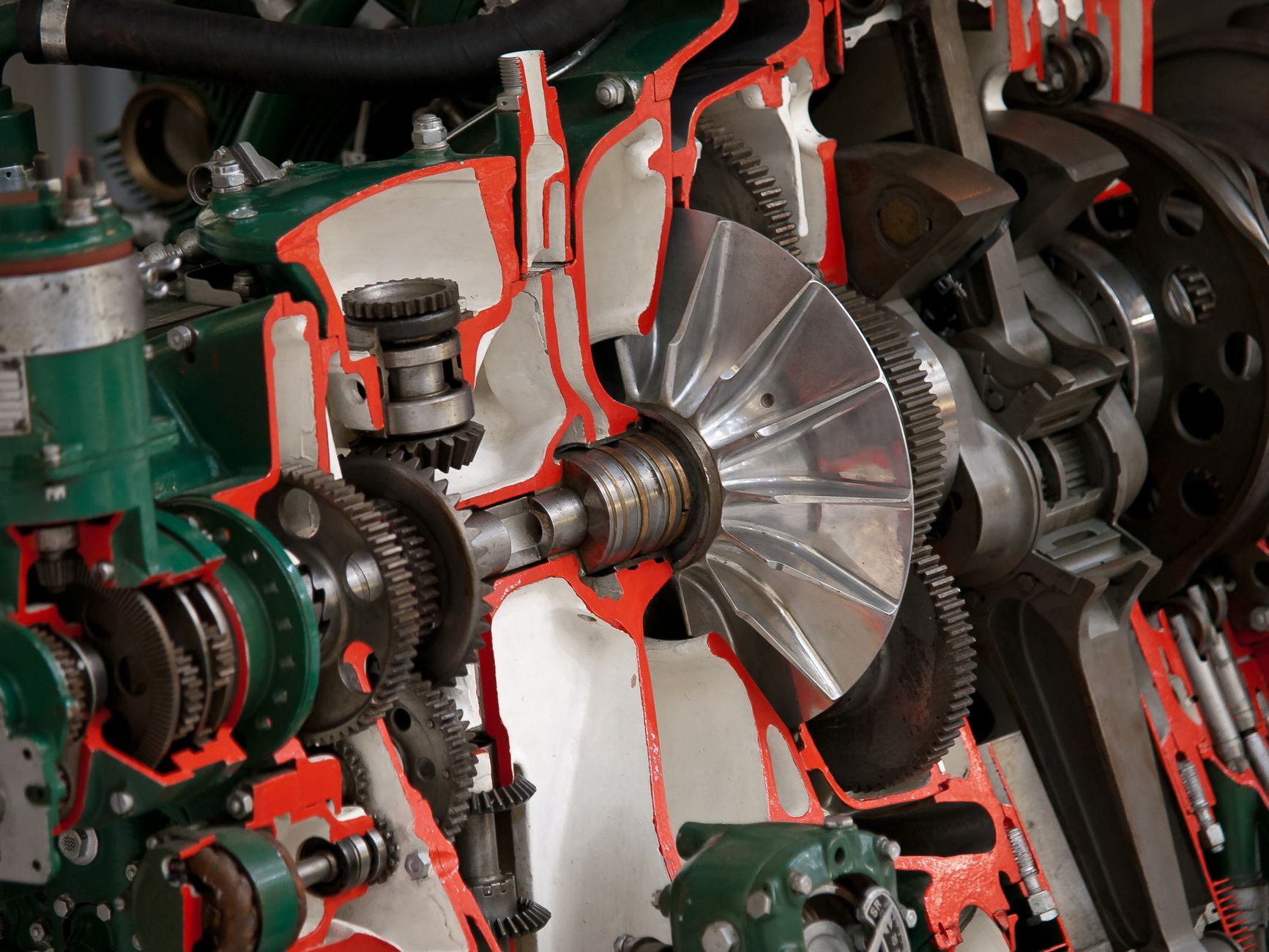
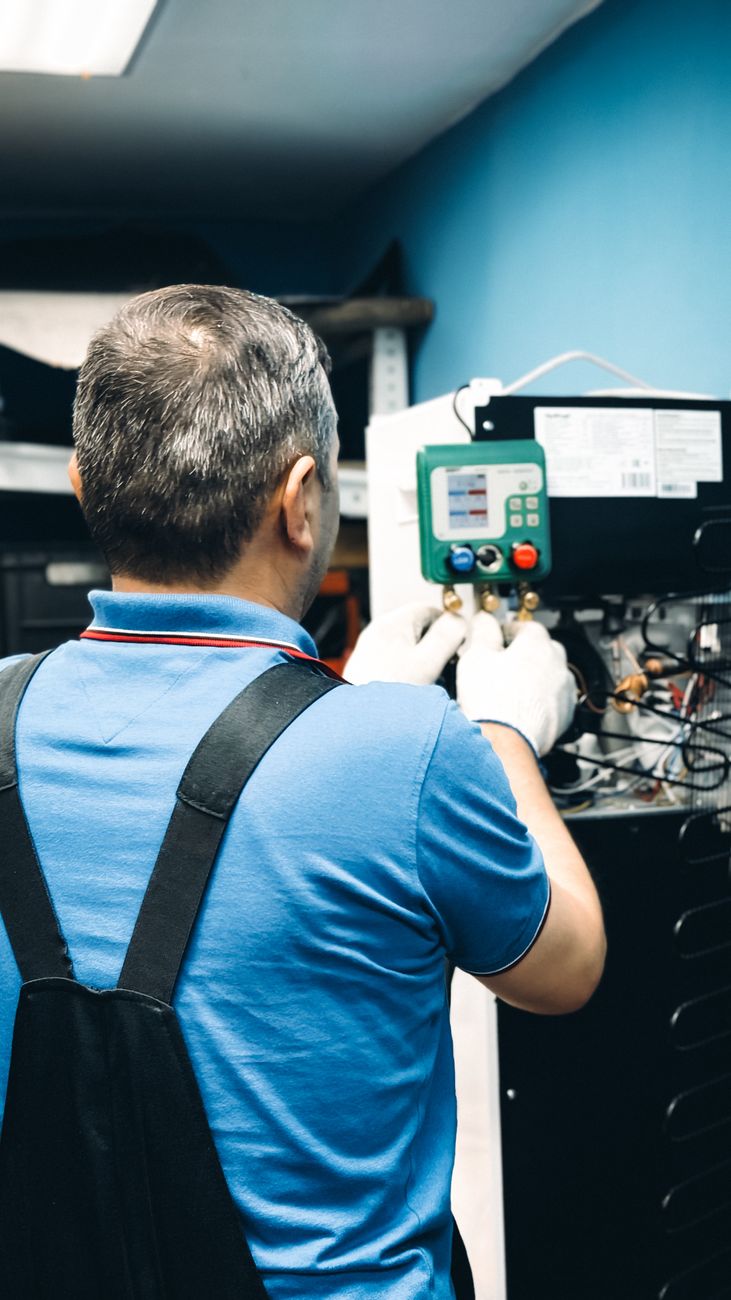
Car Electrical System Maintenance: Comprehensive Guide for Drivers
The electrical system of your vehicle is its backbone, and regular maintenance ensures it starts reliably and that all components work correctly. This article delves into the care of the battery, alternator, and starter motor, and provides an actionable guide to extend their lifespan and prevent unexpected failures.
Executive Summary
The electrical system of a car, primarily composed of the battery, alternator, and starter motor, is fundamental to the vehicle's operation. Preventive maintenance, such as cleaning terminals, checking charge levels, and inspecting belts, can prevent costly repairs and accidents. Drivers should adopt regular inspection routines, understand failure symptoms, and know when to see a professional to ensure safety and vehicle performance.
Introduction / Background
When you turn the key or press the start button, you expect the engine to come to life immediately. Behind that everyday action is a complex electrical system that converts chemical energy into mechanical and recharges its own reserves while you drive. The battery stores energy, the starter motor uses it to crank the engine, and the alternator replenishes it while the vehicle is in motion. Despite its importance, many drivers overlook this system until a problem arises, such as a dead battery at the worst possible moment. According to the approved context for driving test, this knowledge is essential for drivers seeking to maintain their vehicles safely and proactively.
Problem Statement
Electrical system failures not only cause inconvenience but can also leave the driver stranded in risky situations. Most electrical breakdowns are due to maintenance neglect: corroded terminals that prevent proper contact, loose alternator belts that don't generate enough charge, or a starter motor that wears out prematurely from improper use. Additionally, batteries have a limited lifespan, and extreme heat or cold can accelerate their deterioration. Lack of awareness of early symptoms leads to total failures that could have been avoided with periodic inspection.
Research/Analysis
Why is electrical system maintenance crucial?
Regular maintenance ensures that all components work in harmony. A healthy battery supplies the necessary current for starting, even in extreme conditions. An efficient alternator recharges the battery and powers the vehicle's systems while the engine is running. A starter motor in optimal condition converts electrical energy into mechanical motion to start the engine. Neglecting any of them can affect overall car performance, increase fuel consumption, and cause intermittent electrical failures in lights, radio, and other accessories.
Breakdown of the electrical system: battery
The battery is the heart of the electrical system. It stores chemical energy that is converted into electricity to start the engine and power systems when the car is off. Modern batteries are lead-acid, although lithium-ion batteries are gaining ground in hybrid and electric vehicles.
- Function: Provide high current during starting and power accessories when the engine is not running.
- Common failures: Corrosion on terminals, low electrolyte level (in open-type batteries), sulfation from deep discharges.
- Maintenance: Periodically check that terminals are clean and tight. Apply anti-corrosion protection. In non-sealed batteries, check fluid level and top up with distilled water if necessary.
Breakdown of the electrical system: alternator
The alternator is the generator that recharges the battery while the engine is running. It converts mechanical energy from the engine into electrical energy through electromagnetic induction.
- Function: Recharge the battery and power the vehicle's electrical system, including lights, air conditioning, and other components.
- Common failures: Bearing wear, voltage regulator failure, worn or loose belt.
- Maintenance: Check alternator belt tension and condition. Replace if cracked or worn. Verify voltage output with a multimeter (should be between 13.5 and 14.5 volts with the engine running).
Breakdown of the electrical system: starter motor
The starter motor (or cranking motor) is an electric motor that turns the crankshaft to initiate combustion.
- Function: Rotate the engine to a speed sufficient for ignition to occur.
- Common failures: Brush wear, solenoid or drive gear issues, weak battery.
- Maintenance: Do not crank the starter for more than 10 seconds continuously; wait at least 30 seconds between attempts. Inspect starter motor electrical connections and ensure they are clean and tight.
Signs that the electrical system needs attention
Prevention is better than cure. Recognizing early signs of an electrical system problem can save you time and money. Pay attention to:
- Difficulty starting: If the engine cranks slowly or takes time to start, the battery or starter motor may be failing.
- Dim or flickering lights: Could indicate a faulty alternator or low battery voltage.
- Burning smell or sparks: A smell of burnt plastic or visible sparks around the battery may indicate a short circuit.
- Battery indicator light on dashboard: If the battery warning light comes on, it's a sign that the charging system is not working correctly.
- Noise during starting: A sharp noise on starting may indicate wear in the starter motor.
According to driving test guidelines, drivers should be aware of these symptoms and take immediate corrective action.
Vulnerabilities of the electrical system
Each component has its weak points. Here we detail them so you know what to inspect.
| Component | Vulnerability | Failure Symptom |
|---|---|---|
| Battery | Corrosion on terminals, low charge, sulfation | Slow start, weak lights, frequent recharging |
| Alternator | Damaged regulator, loose belt, worn bearings | Battery light on, battery discharged after a trip |
| Starter motor | Worn brushes, faulty solenoid | Noise on starting, engine not turning even with charged battery |
Consequences of inadequate maintenance
Ignoring electrical system maintenance can lead to:
- Being stranded: A dead battery or failed alternator will leave you without starting capability at any time.
- Costly damage: A faulty alternator can overcharge the battery and damage other electronic components. A bad battery can force the alternator to work harder, shortening its life.
- Safety risks: Electrical failures can cause fires. According to driving test guidelines, safety is paramount.
Comparison: preventive maintenance vs. corrective maintenance
Preventive maintenance involves regular actions to avoid failures, while corrective maintenance refers to repairs after a problem occurs.
| Aspect | Preventive | Corrective |
|---|---|---|
| Cost | Low | High (labor + parts) |
| Time | Few minutes | Hours or days |
| Risk | Minimal | High (can leave you stranded) |
| Effectiveness | Increases lifespan | Restores function |
Evidence supports that a minimal investment in preventive maintenance can avoid major expenses.
Proposed Solution/Approach
Recommended step-by-step maintenance plan
To keep your electrical system in good condition, follow these steps:
- Monthly visual inspection: Check the battery and alternator for corrosion, leaks, or loose connections. Tighten any loose terminals.
- Terminal cleaning: If there is corrosion, disconnect the cables (negative first), clean the terminals with a baking soda and water solution (one tablespoon per cup of water) using a wire brush. Rinse with clean water, dry, and reconnect.
- Electrolyte level check (only on open batteries): Remove caps and verify that fluid covers the plates. If low, add distilled water to the indicated level.
- Battery load test: If you have a multimeter or battery tester, measure voltage without the engine running (should be about 12.6 volts at rest) and with the engine running (between 13.5 and 14.5 volts). If readings are out of range, the alternator or battery may have issues.
- Alternator belt inspection: Check tension by pressing the belt; it should flex about 1 cm. If it needs tensioning or shows cracks, replace or adjust according to manufacturer specifications.
- Starting test: At every oil change, have it checked by a professional or use a tester to verify starting capacity.
- Preventive battery replacement: If your battery is more than 3-4 years old, consider replacing it before it fails, especially before extreme weather.
Integration with general vehicle maintenance
Proper electrical maintenance complements the care of other systems. For example, a well-maintained engine makes the starter motor's job easier. Therefore, it is also advisable to follow a comprehensive basic vehicle maintenance guide. Additionally, regular oil changes, as detailed in the guide to changing engine oil, ensure the engine runs smoothly, reducing the load on the electrical system. Moreover, the electrical system also powers components like brakes and tires, so a comprehensive check includes brake inspection and checking tire pressure.
Necessary tools for basic maintenance
To carry out these tasks, you will need:
- Digital multimeter or battery tester.
- Wrench or socket wrench to disconnect terminals.
- Wire brush to clean corrosion.
- Baking soda and water for cleaning.
- Distilled water for refilling batteries.
- Terminal protector (petroleum jelly or specific spray).
When to see a professional
There are situations that require specialist intervention. If you are not comfortable performing any of these tasks, or if you notice any of the following symptoms, see a trusted mechanic:
- The battery discharges repeatedly.
- The starter motor clicks but does not crank.
- Lights flicker or dim when revving.
- The battery warning light comes on.
- There are unusual noises from the alternator.
Implementation Considerations
Safety first
Before handling the electrical system, ensure the engine is off and keys are out of the ignition. Always disconnect the negative cable first and connect it last to avoid short circuits. Wear gloves and safety glasses when handling the battery, as it contains sulfuric acid.
Climate and seasonal considerations
Climate plays a crucial role in the health of the electrical system. In hot climates, the battery degrades faster; in cold ones, starting capacity is reduced. Before winter, check battery charge; before summer, ensure the alternator's cooling system functions properly.
Myths and realities
It's common to hear that driving downhill charges the battery, but the reality is that the alternator charges the battery at idle speed, albeit less efficiently. Another myth is that batteries last a fixed number of years; in reality, their lifespan depends on usage, temperature, and maintenance.
Adaptation to modern vehicles
Modern vehicles have more complex electrical systems, with onboard computers, and are more sensitive to voltage fluctuations. Some considerations:
- Always use batteries of the type and specification recommended by the manufacturer.
- Avoid subjecting the battery to complete discharges, as they can damage electronic components.
- When connecting electrical accessories (like phone chargers), verify they do not exceed the alternator's capacity.
Conclusion
Electrical system maintenance is not an option but a necessity for any driver who values reliability and safety. Performing periodic inspections, attending to failure signals, and following a preventive maintenance plan can save you time, money, and dangerous situations. Remember that these cares not only extend the life of the battery, alternator, and starter motor but also protect the entire vehicle. For responsible and trouble-free driving, integrate these habits into your car care routine.
References
- driving test: business context approved by client, available at examendemanejocr.com.
Final note: This article is for informational and educational purposes. For specific procedures or repairs, always consult your vehicle's owner's manual or a certified mechanic.