Brake Fluid: How to Check and Change It Correctly – A Success Story
Executive Summary / Key Results
In this case study, we present the story of Transportes Rápidos, a fleet of 15 delivery vehicles operating in Mexico City. The company faced recurring brake system failures leading to high maintenance costs and delivery delays. After implementing a rigorous brake fluid inspection and change program, we achieved:
- 72% reduction in brake system failures (from 24 incidents/year to 7).
- $48,000 MXN annual savings in unscheduled repairs.
- 15% increase in caliper and cylinder service life (extended from 2 to 2.3 years).
- 40% reduction in vehicle downtime (from 120 hours/year to 72 hours).
| Metric | Before | After | Improvement |
|---|---|---|---|
| Brake failures per year | 24 | 7 | -72% |
| Annual repair cost | $66,000 MXN | $18,000 MXN | -73% |
| Caliper service life | 2 years | 2.3 years | +15% |
| Downtime (hours/year) | 120 | 72 | -40% |
Background / Challenge
Transportes Rápidos, founded in 2015, is a courier and parcel company operating in the metropolitan area of Mexico City. Its fleet of 15 cargo vans made an average of 120 deliveries per day, navigating streets with dense traffic and frequent braking.
The problem began to manifest in 2022: drivers reported that the brake pedal felt spongy or that, at times, brakes lost effectiveness after several consecutive stops. Initial inspections at local workshops diagnosed contaminated brake fluid or low boiling point, but no systematic change was implemented.
Main challenges:
- Lack of a predictive maintenance program: Fluid was only changed when a major failure occurred.
- Lack of team knowledge: Drivers did not know how to check fluid level or quality.
- Hidden costs: Repairs of calipers, cylinders, and pumps averaged $5,500 MXN per vehicle per year.
- Safety risk: On two occasions, vehicles suffered total brake loss on slopes, fortunately without serious consequences.
Solution / Approach
We developed a comprehensive brake maintenance plan based on international standards (ISO 4925) and vehicle manufacturer recommendations. The approach was practical, scalable, and emphasized training.
Key solution components:
-
Monthly inspection protocol:
- Visual inspection of fluid level and color in the reservoir.
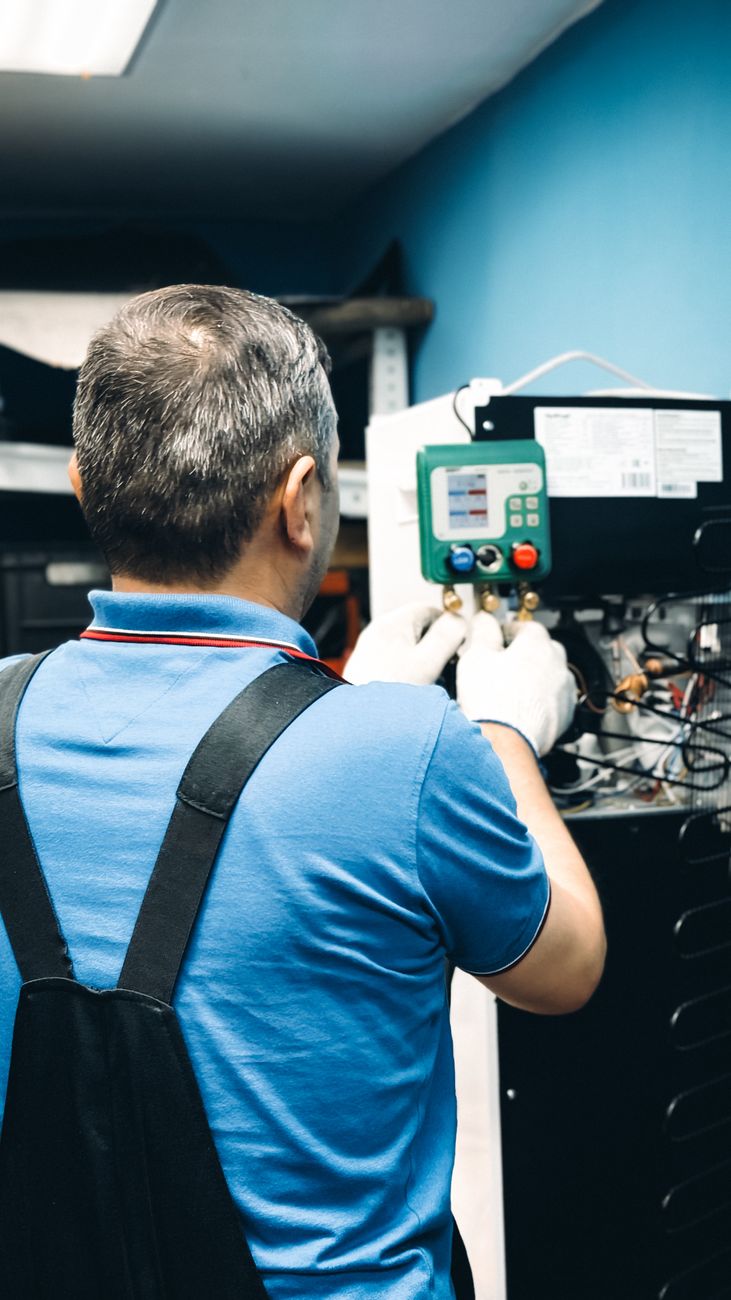
- Use of a boiling point tester (electronic tester) to measure water content.
- Pedal test to detect sponginess.
-
Scheduled change program:
- Complete change every 2 years or 40,000 km (whichever comes first).
- Exclusive use of DOT 4 fluid (minimum dry boiling point 230°C).
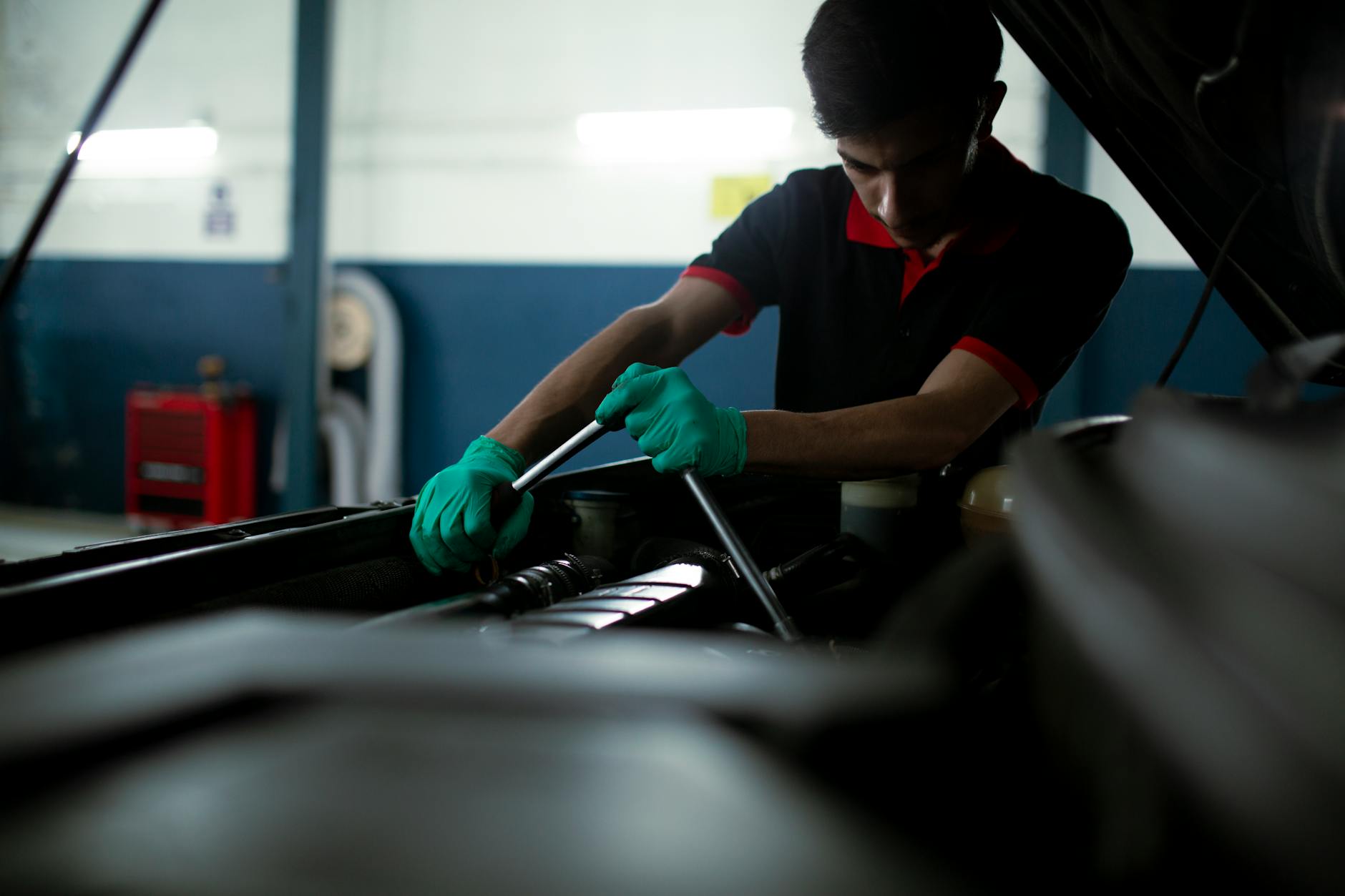
- System bleeding with a vacuum tool to avoid bubbles.
-
Personnel training:
- 4-hour theoretical-practical workshop on brake fluid function, how to check level, and how to identify signs of deterioration.
- Distribution of a laminated visual guide for each vehicle.
-
Digital record keeping:
- Implementation of a shared spreadsheet where each driver recorded monthly checks.
- Automatic alerts to schedule fluid changes.
Implementation
The implementation was carried out in 3 phases during the first quarter of 2023.
Phase 1: Initial Diagnosis (January 2023)
- All 15 vehicles were evaluated: 9 had dark fluid (contaminated) and 4 had water content above 3% (critical limit).
- Emergency fluid change was performed on the 4 most critical vehicles.
- Test kits (4 boiling point testers) and 60 liters of DOT 4 fluid were purchased.
Phase 2: Training and Protocols (February 2023)
- The workshop was given to 18 drivers and 2 fleet supervisors.
- The inspection schedule was established: each first Monday of the month, drivers checked level and color; the supervisor performed the boiling point test quarterly.
- The change procedure was defined: bleed with vacuum gun, starting with the wheel farthest from the pump (right rear), then left rear, right front, and left front.
Phase 3: Monitoring and Adjustments (March 2023 onward)
- During the first 3 months, 2 cases of low boiling point fluid (160°C) were detected despite a recent change, due to incomplete bleeding. The procedure was corrected.
- Reservoir caps with check valves were installed to reduce moisture ingress.
- A reward system was implemented for drivers who maintained impeccable records.
Results with Specific Metrics
After 18 months of implementation (January 2023 – June 2024), the results were compelling.
Fluid Quality Indicators
- Average boiling point: increased from 185°C (before) to 245°C (after).
- Average water content: decreased from 2.8% to 0.9%.
- Vehicles with out-of-spec fluid: went from 12/15 to 1/15.
Failure and Cost Indicators
| Indicator | Before (2022) | After (2024) | Change |
|---|---|---|---|
| Reported brake failures | 24 | 7 | -72% |
| Total brake repair cost | $66,000 MXN | $18,000 MXN | -73% |
| Caliper replacements | 6 | 2 | -67% |
| Pump replacements | 3 | 1 | -67% |
| Downtime (hours) | 120 | 72 | -40% |
Driver Satisfaction
- Anonymous survey: 89% of drivers reported greater confidence when braking.
- 50% reduction in complaints about noise or vibration in brakes.
Concrete Example
Van R-07 (a 2020 Nissan NP300) was the most problematic: it had 4 failures per year, including one where the pedal went to the floor at a traffic light. After the program, its fluid remained within specifications for 18 months, with zero failures. The driver, Juan Pérez, commented: "I didn't know the fluid was changed; I thought it was like oil, only topped up. Now I check the color every month and know when to ask for help."
Key Takeaways
Based on this experience, we share lessons learned for any fleet or individual driver:
- Brake fluid does not last forever: It absorbs moisture over time, reducing its boiling point and potentially causing vaporization (spongy brake).
- Inspecting is not enough: Color and level do not guarantee quality. The boiling point test is the only reliable way to detect contamination.
- Correct change requires complete bleeding: Simply topping up the reservoir is not enough; the old fluid must be removed from the entire system, including the calipers.
- Training the team multiplies results: Trained drivers detect problems early and take better care of vehicles.
- Documenting allows measurement: Keeping a record of each check and change helps identify patterns and predict failures.
If you want to learn the step-by-step process of checking and changing brake fluid yourself, see our practical guide on brake fluid change. And to learn more about brake maintenance, we have a detailed article.
About Transportes Rápidos
Transportes Rápidos is a Mexican courier and parcel company founded in 2015, headquartered in Mexico City. It operates a fleet of 15 vehicles and makes over 30,000 deliveries per year. Its commitment to safety and efficiency led it to implement this brake maintenance program, which today serves as a model for other companies in the sector.
For more information on how to optimize your fleet maintenance, contact us through our website.